
Introduction
Modern businesses generate enormous amounts of information every day. Sales transactions, customer interactions, operational processes, financial performance, and digital engagement all produce data that can influence business strategy.
However, many organizations still rely heavily on assumptions, intuition, or outdated reporting systems when making critical decisions.
Across Africa, businesses are increasingly recognizing that data is becoming one of the most valuable strategic assets in modern commerce. Companies that use data effectively are often better positioned to improve efficiency, understand customers, manage risk, and identify growth opportunities.
The competitive gap between data-driven businesses and those operating without structured analytics is continuing to widen.
As digital transformation accelerates, decision-making based on real-time information is becoming essential for sustainable growth.
Why Data Matters More Than Ever
Business environments are becoming more complex and competitive.
Companies now need to respond quickly to:
- Market changes
- Customer behavior shifts
- Operational risks
- Economic uncertainty
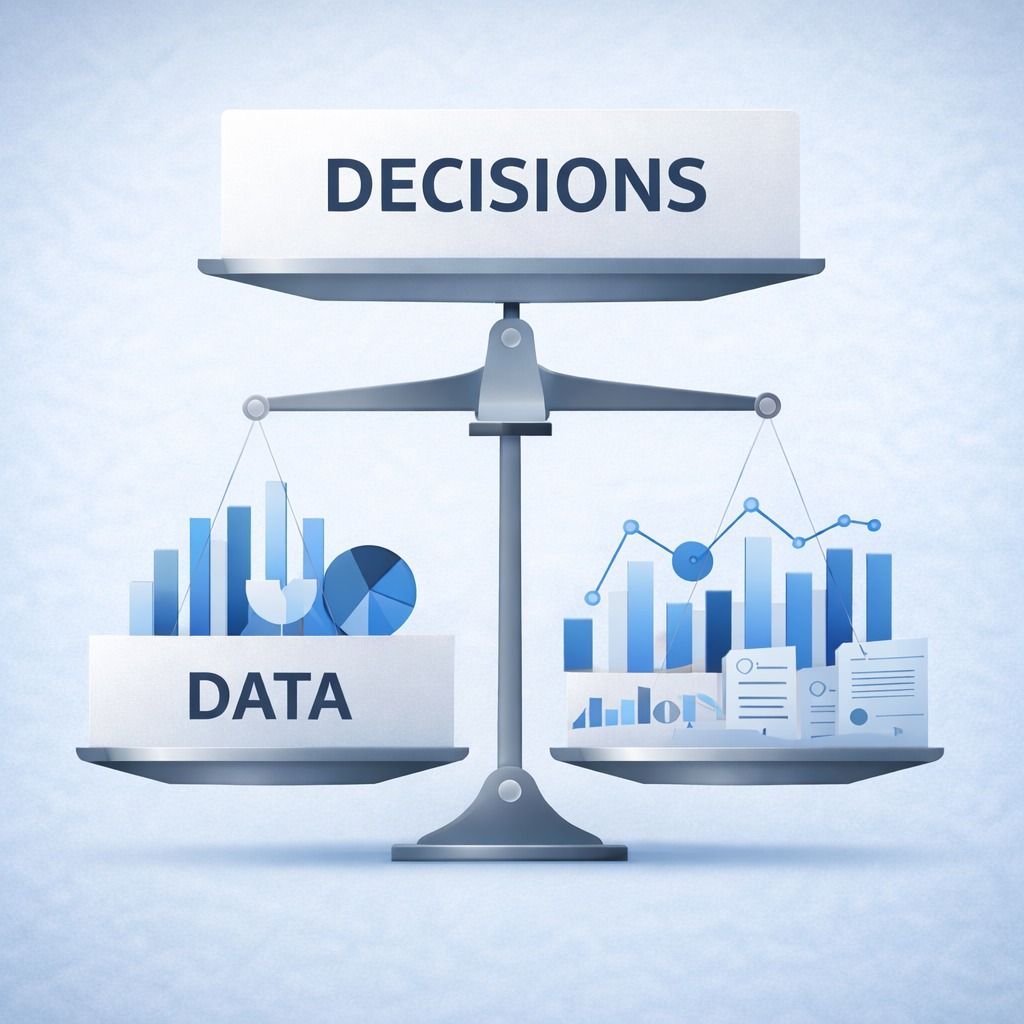
Data helps businesses move beyond guesswork by providing measurable insights that support strategic decisions.
Organizations with stronger analytics capabilities usually make faster and more informed decisions.
Types of Business Data
Businesses collect data from multiple sources.
Common categories include:
- Customer data
- Financial data
- Operational performance data
- Supply chain information
Each category can provide insights that improve decision-making and operational efficiency.
Improving Customer Understanding
One of the biggest advantages of data is improved customer visibility.
Businesses can analyze:
- Buying behavior
- Customer preferences
- Product demand patterns
- Service feedback
This helps companies improve marketing strategies, pricing decisions, and customer experiences.
Businesses that understand customers better are often more competitive.
Operational Efficiency and Cost Control
Data also helps businesses identify inefficiencies.
Analytics can improve:
- Inventory management
- Resource allocation
- Workforce productivity
- Process optimization
Small operational improvements can create significant long-term cost savings.
Financial Decision-Making
Strong financial data improves business planning and risk management.
Businesses can use analytics to:
- Forecast cash flow
- Monitor profitability
- Assess investment performance
- Track financial risk exposure
Better financial visibility supports more disciplined decision-making.
Real-Time Decision-Making
Technology is enabling businesses to access real-time operational information more easily.
Real-time analytics improve:
- Market responsiveness
- Supply chain visibility
- Customer service performance
- Risk monitoring
Organizations that react quickly to emerging trends often gain competitive advantages.
Challenges Businesses Face
Despite the benefits, many organizations still struggle with data utilization.
Common problems include:
- Poor data quality
- Fragmented systems
- Limited analytics skills
- Weak reporting structures
Collecting data alone is not enough. Businesses must also build systems capable of converting information into actionable insights.
Building a Data-Driven Culture
Successful data use requires organizational change.
Businesses should encourage:
- Evidence-based decision-making
- Cross-functional collaboration
- Continuous performance monitoring
- Data literacy development
Leadership commitment is also critical for building data-focused business cultures.
The Future of Business Intelligence in Africa
As digital adoption increases, analytics capabilities are expected to become even more important across African industries.
Sectors likely to benefit significantly include:
- Financial services
- Retail and e-commerce
- Logistics and supply chain management
- Healthcare and agriculture
Businesses investing in analytics today may gain major long-term advantages.
Final Thoughts
Data is becoming one of the most important drivers of competitive advantage in modern business. Companies that strengthen analytics capabilities and integrate data into decision-making processes are better positioned to improve efficiency, adapt to change, and achieve sustainable growth.
In increasingly digital economies, informed decision-making is quickly becoming a core business necessity.
Call to Action
Businesses should begin investing in stronger analytics systems, reporting tools, and data literacy to improve operational performance and strategic decision-making.