Media Center Subscribe Contact
English Portuguese French
M&J Consultants
  • Sectors
  • Solutions
  • Our Insights
  • About Us
  • Countries
Get Started
Agriculture Education Energy & Utilities Financial Services Healthcare Hospitality & Tourism Infrastructure Transportation & Logistics Manufacturing Mining & Resources Oil & Gas Public Sector Real Estate & Construction Retail & Consumer Technology & Telecoms
Strategy Strategic planning and business transformation Digital and Technology Digital transformation and tech solutions Marketing & Sales Growth strategies and market positioning Finance and Tax Financial advisory and tax optimization ERP & Operations Odoo ERP implementation and optimization

Topics

Investment & Market Entry Tax & Compliance Business Setup Trade & Policy Digital Transformation View all Insights

By Sector

Mining & Resources Agriculture Manufacturing Financial Services Energy

Resources

M&J Books Webinars M&J Futures Reports

C-Suite Insights

CEO Insights CFO Insights COO Insights CIO Insights CMO Insights

About

What We Do What We Believe Our People & Leadership


Client Results Global Affiliations

Timeless Businesses (Our Mission)

Our Purpose Our Vision Learn more about our Mission
African Business Forum

Southern Africa

Zimbabwe Zambia South Africa Botswana Namibia Mozambique Malawi Lesotho Eswatini Angola

East Africa

Kenya Tanzania Uganda Rwanda Ethiopia Burundi South Sudan Djibouti Eritrea Somalia

West Africa

Nigeria Ghana Senegal Cote d'Ivoire Mali Burkina Faso Niger Guinea Benin Togo

Central Africa

DR Congo Cameroon Gabon Congo Chad Central African Republic Equatorial Guinea Sao Tome & Principe

North Africa

Egypt Morocco Algeria Tunisia Libya Sudan Mauritania
M&J Consultants
Agriculture Education Energy & Utilities Financial Services Healthcare Hospitality & Tourism Infrastructure Logistics Manufacturing Mining & Resources Oil & Gas Public Sector Real Estate Retail & Consumer Technology & Telecoms
Strategy Digital and Technology Marketing & Sales Finance and Tax ERP & Operations
Investment & Market Entry Tax & Compliance Business Setup Trade & Policy Digital Transformation Mining & Resources CEO Insights CFO Insights
What We Do What We Believe Our People & Leadership Client Results Global Affiliations Our Purpose Our Vision Timeless Businesses
Zimbabwe Zambia South Africa Kenya Nigeria View All Countries
Get Started

The Importance and Advantages of Agriculture in Zimbabwe

Sectors

Back to Insights
Sectors
M&J Africa September 1, 2023

Agriculture has long been a cornerstone of Zimbabwe’s economy, providing food, employment, and income for many communities across the country. Here are just a few of the many advantages of agriculture in Zimbabwe:

1. Food Security:
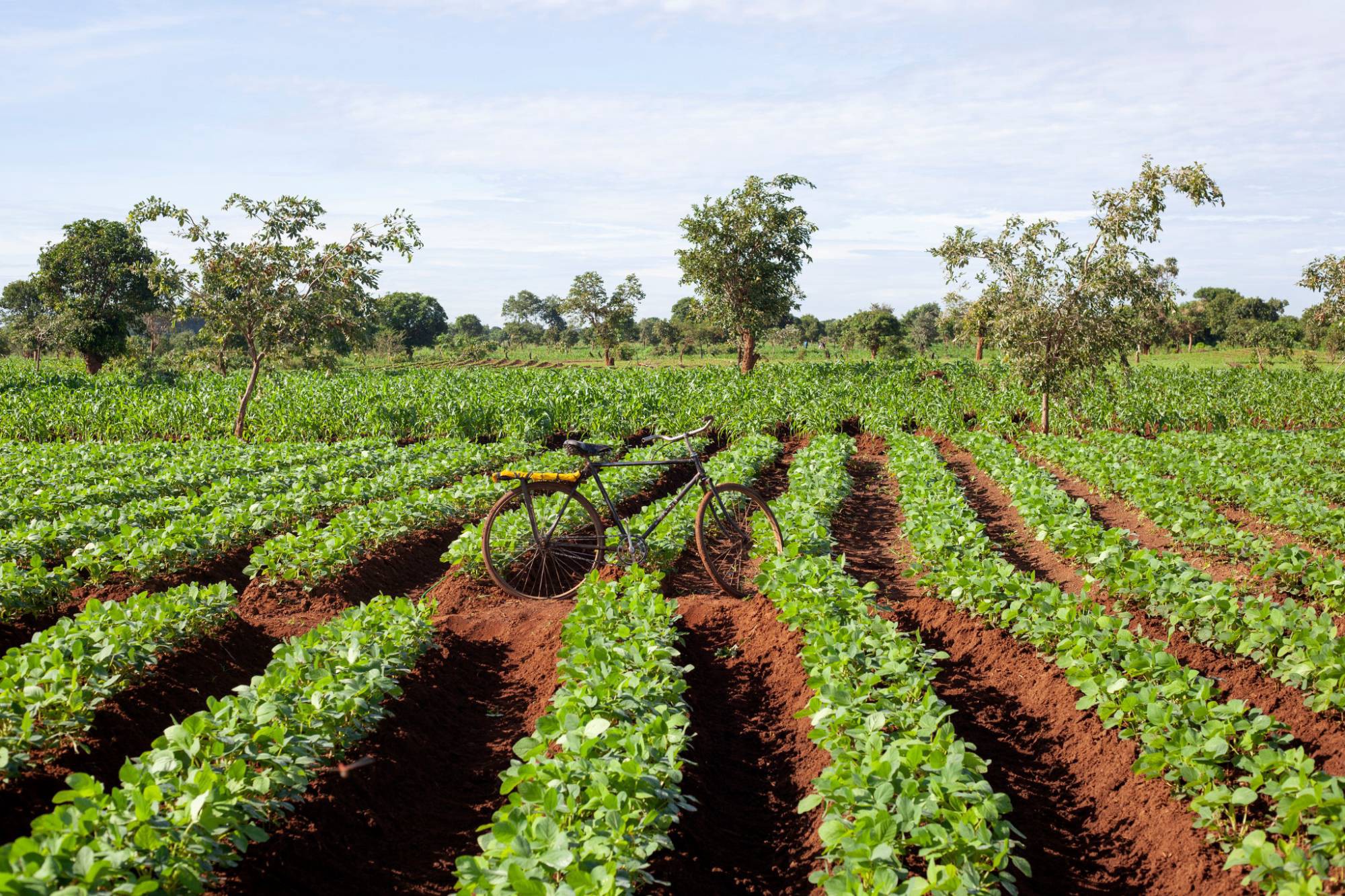
Agriculture is crucial for ensuring food security in Zimbabwe. Farmers grow a wide range of crops such as maize, millet, sorghum, and soybeans, which are consumed locally and exported to other countries. An increase in agricultural productivity can go a long way in reducing food insecurity and malnutrition.

2. Economic Growth:
Agriculture remains an important contributor to Zimbabwe’s GDP, accounting for approximately 18-20% of total output. Agriculture also provides a livelihood for over 60% of the rural population. With the right support, the sector can drive economic growth and prosperity for Zimbabwe.

3. Employment Opportunities:
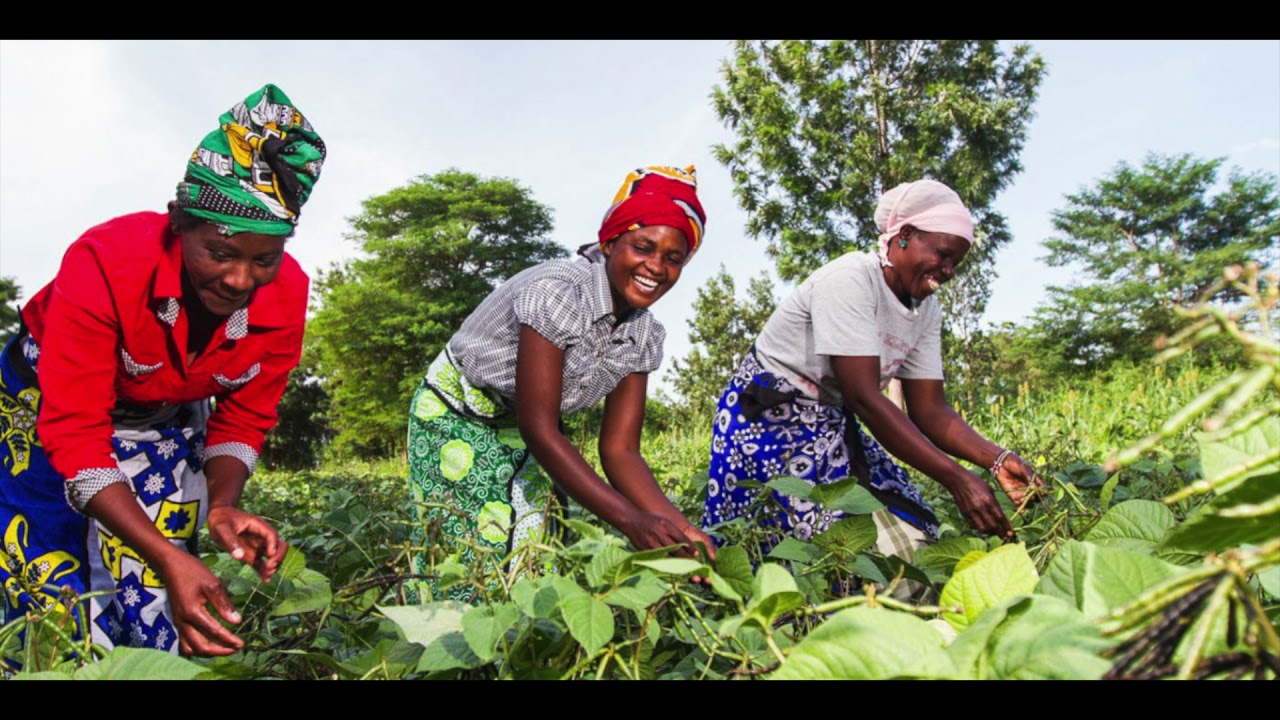
As mentioned earlier, agriculture is a major source of employment in Zimbabwe. It creates jobs not only for farmers but also for people involved in transportation, storage, marketing, and processing of agricultural products. This helps reduce unemployment and poverty.

4. Diversification of the Economy:
Agriculture is an important part of Zimbabwe’s economic diversification strategy. By promoting agriculture, the country can create new opportunities for income generation, especially in rural areas. The sector also helps reduce the country’s reliance on a few key commodities or sectors.

5. Environmental Benefits:
Many agricultural practices, such as conservation agriculture, can have significant environmental benefits. By promoting sustainable land use, planting of trees, and conservation of water, agriculture can help mitigate the effects of climate change and protect the environment.

In summary, agriculture has immense benefits for Zimbabwe’s economy and society, including food security, employment, and economic growth. By supporting the sector with the right policies, investment, and infrastructure, Zimbabwe can leverage the many advantages of agriculture and build a more prosperous and sustainable future.

#AgricultureinZimbabwe #FoodSecurity #EconomicGrowth
Related Articles

AfCFTA Boosts African Agricultural Trade
Trade

AfCFTA Boosts African Agricultural Trade

Invest in African Agriculture: Opportunities, Trends, and Challenges
Sectors

Invest in African Agriculture: Opportunities, Trends, and Challenges

Zimbabwean SMEs Sector Overview
Technology

Zimbabwean SMEs Sector Overview

M&J Consultants

M&J Africa empowers enterprises with strategic insights, innovative solutions, and transformative partnerships that transcend generations.

Sectors

  • Agriculture
  • Energy
  • Financial Services
  • Healthcare
  • Mining
  • Oil & Gas
  • Public Sector
  • Technology

Solutions

  • Strategy
  • Technology
  • Finance & Tax
  • Odoo ERP

Insights

  • Industry Insights
  • Technology Report
  • Webinars
  • Featured Topics

© 2026 M&J Consultants. All rights reserved.

  • Privacy Policy
  • Terms of Service
  • Cookie Policy