Introduction
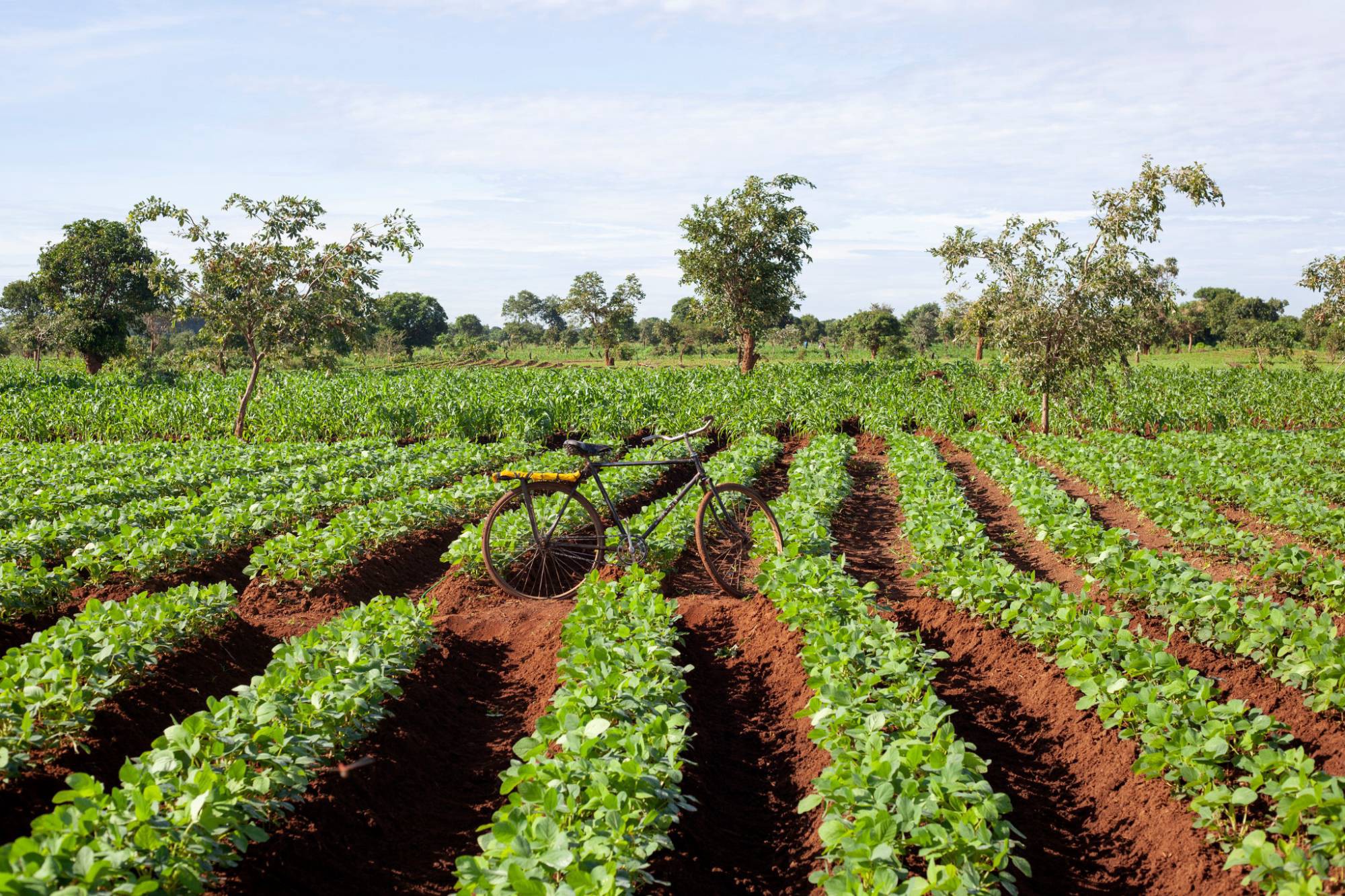
Africa holds 60% of the world’s uncultivated arable land, making it one of the most promising frontiers for agricultural investment. With a rapidly growing population, rising food demand, and improving trade access under initiatives like the African Continental Free Trade Area (AfCFTA), the potential for high returns in agriculture is unprecedented.
Investors are increasingly turning to African agriculture — not only because of its profitability but also because it plays a key role in ensuring food security, creating jobs, and driving sustainable economic growth. From large-scale commercial farms to technology-driven agribusiness startups, opportunities span across the value chain.
Why Agricultural Investments in Africa are Profitable
1. Rising Food Demand
Africa’s population is expected to reach 2.5 billion by 2050, creating massive demand for cereals, vegetables, meat, and dairy products. Local production capacity cannot currently meet this demand, opening opportunities for profitable farming ventures.
2. Export Opportunities
African agricultural products like cocoa, coffee, tea, cashews, avocados, and flowers are in high demand globally. With better logistics, value addition, and trade agreements, these exports yield competitive returns.
3. Underutilized Arable Land
Countries like Sudan, DR Congo, and Zambia have millions of hectares of fertile land available for cultivation, offering low entry costs compared to other regions.
4. Technological Advancements
Agritech solutions — from precision farming to drone-based crop monitoring — are making African farming more efficient and less risky, improving yields and profitability.
High-Return Agricultural Sectors in Africa
1. Cash Crops
- Cocoa: Ghana and Côte d’Ivoire dominate global cocoa production, but there’s still room for new players in value-added chocolate production.
- Coffee: Ethiopia, Kenya, and Rwanda produce premium coffee varieties that fetch high prices in global markets.
- Tea: Kenya and Malawi are leading exporters, with strong demand in Europe, the Middle East, and Asia.
2. Horticulture and Fresh Produce
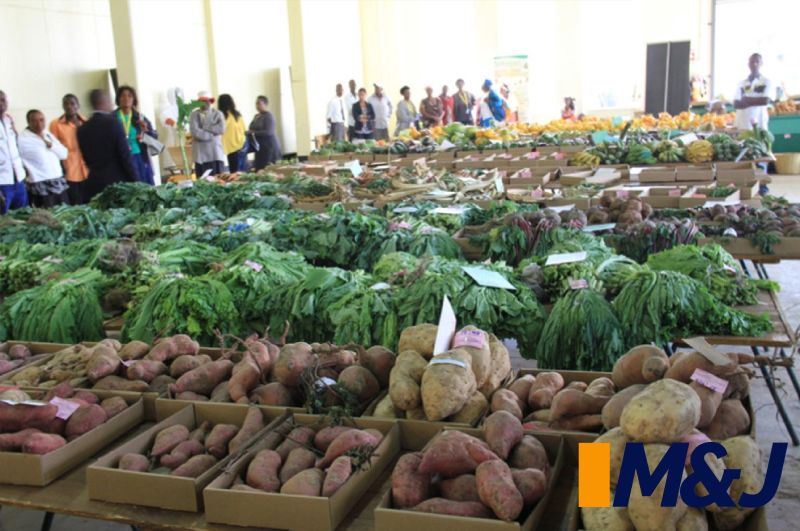
Countries like Kenya, South Africa, and Morocco have thriving horticulture sectors producing avocados, citrus fruits, berries, and cut flowers. These products have short growth cycles and high export value, especially when sold to European and Middle Eastern markets.
3. Livestock and Dairy Farming
Demand for meat, poultry, and dairy products is rising due to urbanization and income growth. Commercial livestock farming in countries like Botswana, Namibia, and Uganda is generating strong returns.
4. Aquaculture
Fish consumption in Africa is growing, but overfishing has depleted natural stocks. Aquaculture ventures — especially tilapia and catfish farming — are expanding rapidly in countries like Nigeria, Egypt, and Uganda.
5. Agro-Processing
Value addition through processing is one of the highest-return opportunities. Instead of exporting raw maize, cashews, or tomatoes, processing them into flour, packaged snacks, or sauces significantly increases margins.
Key Factors Driving Profitability
- Regional Trade Integration
AfCFTA is reducing tariffs on agricultural goods, enabling farmers and agribusinesses to access a larger continental market. - Improved Infrastructure
Better roads, ports, and cold chain facilities are making it easier to move perishable goods across borders. - Government Support
Many African governments are offering subsidies, tax incentives, and financing programs for agribusiness. - Access to Finance and Impact Investment
Development banks and impact investors are funding sustainable agriculture projects, recognizing their profitability and social benefits.
Emerging Trends in African Agriculture
1. Agritech Adoption
Startups like Twiga Foods in Kenya and Hello Tractor in Nigeria are connecting farmers to markets, equipment, and financial services through mobile technology.
2. Sustainable and Organic Farming
Growing demand for organic produce in Europe and North America presents opportunities for African farmers to target premium markets.
3. Climate-Smart Agriculture
Investments in drought-resistant crops, irrigation systems, and renewable energy-powered farms are helping mitigate climate risks while boosting productivity.
Challenges to Consider
While opportunities are abundant, investors must address key challenges:
- Climate Change: Irregular rainfall patterns and extreme weather events affect yields.
- Market Access: Limited storage and transport infrastructure can lead to post-harvest losses.
- Land Ownership Issues: Some countries have complex land tenure systems.
- Skill Gaps: Modern farming techniques require training and capacity building.
Strategies for Successful Agricultural Investment
- Conduct Thorough Market Research
Understand demand, pricing trends, and export regulations before committing capital. - Leverage Partnerships
Collaborate with local farmers, cooperatives, and agribusinesses to reduce risks. - Invest in Value Addition
Processing agricultural products locally increases profitability and market competitiveness. - Integrate Technology
Use digital platforms for market access, supply chain tracking, and precision farming.
Case Studies of High-Return Agricultural Investments
Case Study 1: Avocado Farming in Kenya
Kenya has become one of the fastest-growing exporters of avocados to Europe and the Middle East. With a short maturity period and high demand, commercial avocado farms are delivering returns of over 40% annually.
Case Study 2: Cocoa Processing in Ghana
Instead of selling raw cocoa beans, some Ghanaian firms now produce premium chocolate brands for export, capturing significantly higher value per kilogram.
The Future of Agricultural Investments in Africa
By 2030, Africa’s agribusiness sector is projected to be worth $1 trillion, driven by urbanization, income growth, and increasing global demand for food. Investors who focus on high-value crops, adopt modern technology, and integrate into regional value chains will enjoy some of the highest returns in the global agricultural industry.
Moreover, as sustainability becomes a priority worldwide, Africa’s capacity for organic and environmentally friendly farming will open even more profitable markets.
Conclusion
Agriculture in Africa is shifting from subsistence farming to high-return commercial ventures. With abundant resources, favorable demographics, and growing market access, the continent is becoming a global hotspot for agricultural investment.
For entrepreneurs, impact investors, and large-scale agribusinesses, the message is clear: the time to invest in African agriculture is now. Those who move early and strategically will be well-positioned to reap the benefits of one of the world’s fastest-growing and most profitable sectors.