Introduction
The Democratic Republic of Congo (DRC) possesses some of the richest natural resources on the African continent, yet it faces one of the most severe electricity shortages in the region. Despite vast rivers and abundant sunlight, more than 70% of the population lacks access to reliable electricity. For industries—especially mining, which dominates the economy—this energy gap remains a major constraint to productivity and development.
As the country moves into 2025, opportunities for hydropower and solar energy investment are expanding rapidly. With new policy reforms, regional partnerships, and demand from the fast-growing mining sector, the DRC’s energy landscape is primed for transformation.
1. The State of the Energy Sector in the DRC
The DRC’s installed electricity capacity stands at less than 3,000 MW, while national demand exceeds 10,000 MW. Most power is generated from aging hydro plants along the Congo River, with limited expansion in recent decades.
Key challenges include:
- Inadequate transmission and distribution networks
- Dependence on outdated infrastructure
- High costs of fuel-based generation in remote areas
- Limited access to the national grid for rural communities
Despite these challenges, the DRC’s natural endowments offer enormous potential for renewable power generation.
2. Hydropower Potential: Africa’s Energy Giant
The DRC is often called “the sleeping hydro giant” of Africa. The Congo River alone has an estimated 100,000 MW of hydropower potential—enough to power much of the continent.
Key Hydropower Sites
- Inga Complex (Bas-Congo): Currently the largest site, with existing Inga I and II dams producing around 1,800 MW combined. The planned Grand Inga Project could generate over 40,000 MW, making it the largest hydropower project in the world.
- Katende and Zongo Projects: Medium-scale hydropower plants under development to supply provincial cities and mining areas.
- Regional Mini-Hydro Projects: Smaller rivers across Lualaba, Kasai, and North Kivu provinces offer opportunities for off-grid or embedded generation.
Investment Opportunities
Hydropower projects in the DRC present multiple entry points for investors:
- Public-Private Partnerships (PPPs) under the national energy strategy
- Independent Power Producer (IPP) contracts for regional supply
- Rehabilitation and modernization of existing dams
- Cross-border energy trade through the Southern African Power Pool (SAPP)
Investors benefit from long-term demand, stable returns, and regional integration prospects.
3. Solar Energy: Powering Rural and Industrial Growth
While hydro remains the backbone of DRC’s power potential, solar energy is emerging as a flexible and scalable alternative, especially in regions beyond the grid.
Solar Resource Advantage
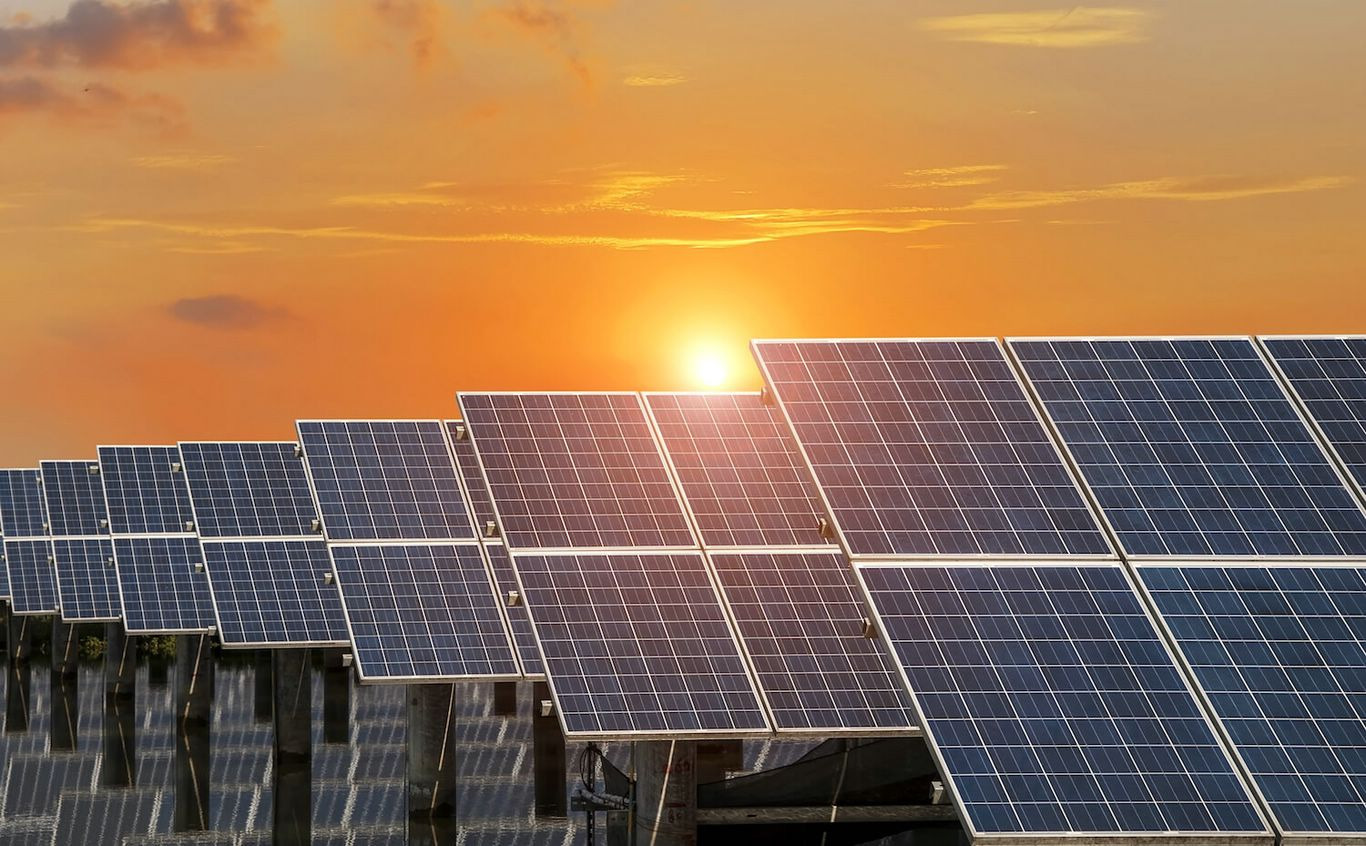
The DRC enjoys an average solar irradiation of 4.5 to 6 kWh/m²/day, making it ideal for photovoltaic (PV) systems. Solar projects can be deployed faster and at lower initial costs than large hydro projects.
Growth Drivers for Solar Investment
- Rapid demand from mining companies seeking clean, off-grid solutions
- Expansion of mini-grids and solar home systems for rural electrification
- Declining global costs of solar panels and storage technologies
- Government incentives for renewable energy partnerships
Solar investment is particularly promising in provinces like Katanga, Kasai, and Haut-Lomami, where mining operations require reliable power for processing and smelting.
4. Government Policy and Institutional Framework
The DRC government has adopted several reforms to attract energy investment and diversify the power mix.
Key Policy Instruments:
- Electricity Law of 2014: Liberalized the energy sector, allowing private generation, distribution, and sale of electricity.
- Ministry of Hydraulic Resources and Electricity (MERH): Oversees regulation and planning of the power sector.
- Agence Nationale de l’Électrification et des Services Énergétiques en milieux Rural et Périurbain (ANSER): Coordinates rural electrification and renewable energy initiatives.
- Investment Incentives: Tax exemptions, duty-free imports for renewable equipment, and preferential access to land for energy projects.
These frameworks aim to position the DRC as a key renewable energy hub for Central and Southern Africa.
5. Financing Energy Projects in the DRC
Energy investments in the DRC are capital-intensive and often require blended financing models that combine public, private, and development funding.
Potential Financing Channels:
- Public-Private Partnerships (PPPs): Long-term agreements for power generation and distribution.
- Development Finance Institutions (DFIs): Support from international partners for project preparation and guarantees.
- Green Bonds and ESG Funds: Increasingly popular for climate-aligned infrastructure investments.
- Corporate Off-Take Agreements: Mining companies signing long-term power purchase agreements (PPAs) with energy developers.
Access to international financing often depends on adherence to ESG and environmental compliance standards, making transparency and sustainability central to project design.
6. Opportunities for Investors in Hydro and Solar Energy
Hydro Sector Opportunities:
- Modernization of Inga I and II for efficiency gains
- Construction of new mid-sized dams along the Kasai and Lualaba rivers
- Regional interconnection projects to export surplus power
Solar Sector Opportunities:
- Development of industrial solar farms for mining and manufacturing zones
- Rural electrification through micro-grids and pay-as-you-go systems
- Solar hybrid systems combining diesel and battery storage for off-grid reliability
Emerging Trends:
- Integration of battery storage solutions to stabilize renewable supply
- Use of digital monitoring systems for grid management
- Partnerships between international IPPs and local Congolese firms
7. Addressing the Energy Gap: Challenges to Consider
Despite its vast potential, investors must navigate several challenges in the DRC’s energy sector:
- Infrastructure Constraints: Poor grid connectivity and high transmission losses.
- Regulatory Complexity: Multiple agencies and evolving licensing procedures.
- Currency and Financing Risks: Limited access to local long-term financing.
- Security and Political Uncertainty: Particularly in remote areas.
However, these challenges are being mitigated through reforms, regional cooperation, and donor-backed infrastructure programs. Investors with long-term perspectives and risk management strategies can achieve significant returns.
8. The Link Between Energy and Mining Development
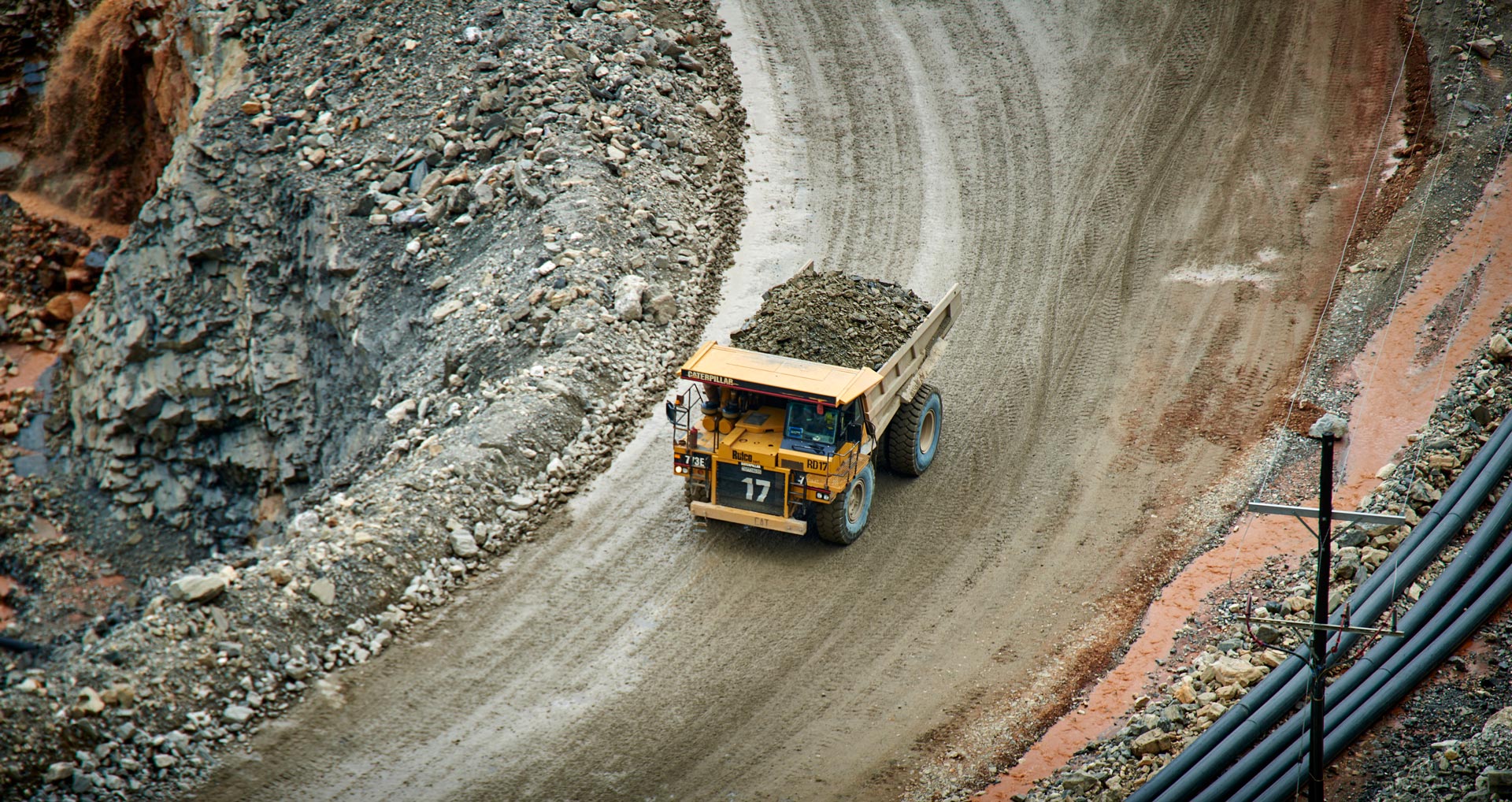
Mining operations in the DRC consume over 60% of generated power, and energy shortages directly limit production capacity. Renewable projects, particularly solar-hydro hybrids, are now viewed as essential enablers of mining expansion.
By investing in renewable energy, mining companies can reduce costs, enhance ESG compliance, and stabilize production while contributing to national electrification goals. This synergy between energy and mining represents one of the most powerful growth drivers in the DRC economy.
Conclusion
The DRC’s energy gap is both a challenge and an opportunity. With abundant hydropower resources and exceptional solar potential, the country is poised to become a regional renewable energy leader.
For investors, 2025 marks a turning point—hydro and solar projects in the DRC offer high-impact opportunities that combine profitability with sustainability. By leveraging government incentives, adopting innovative financing models, and prioritizing ESG compliance, investors can help bridge the country’s energy divide while powering its industrial and social transformation.