Introduction
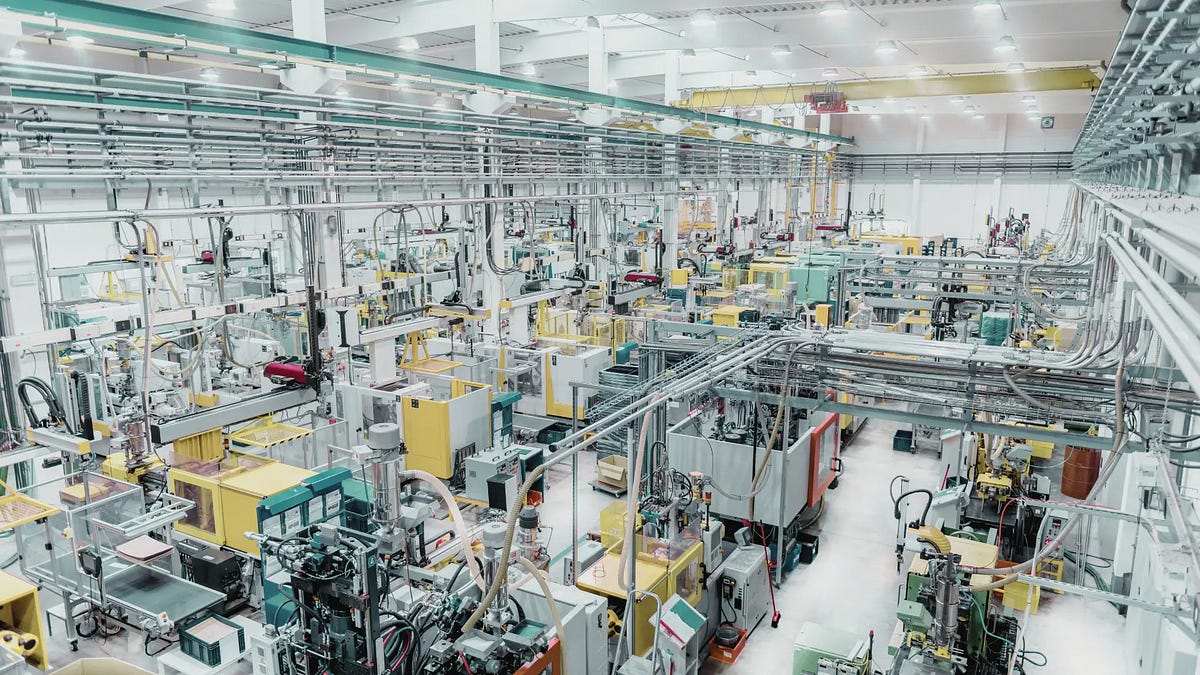
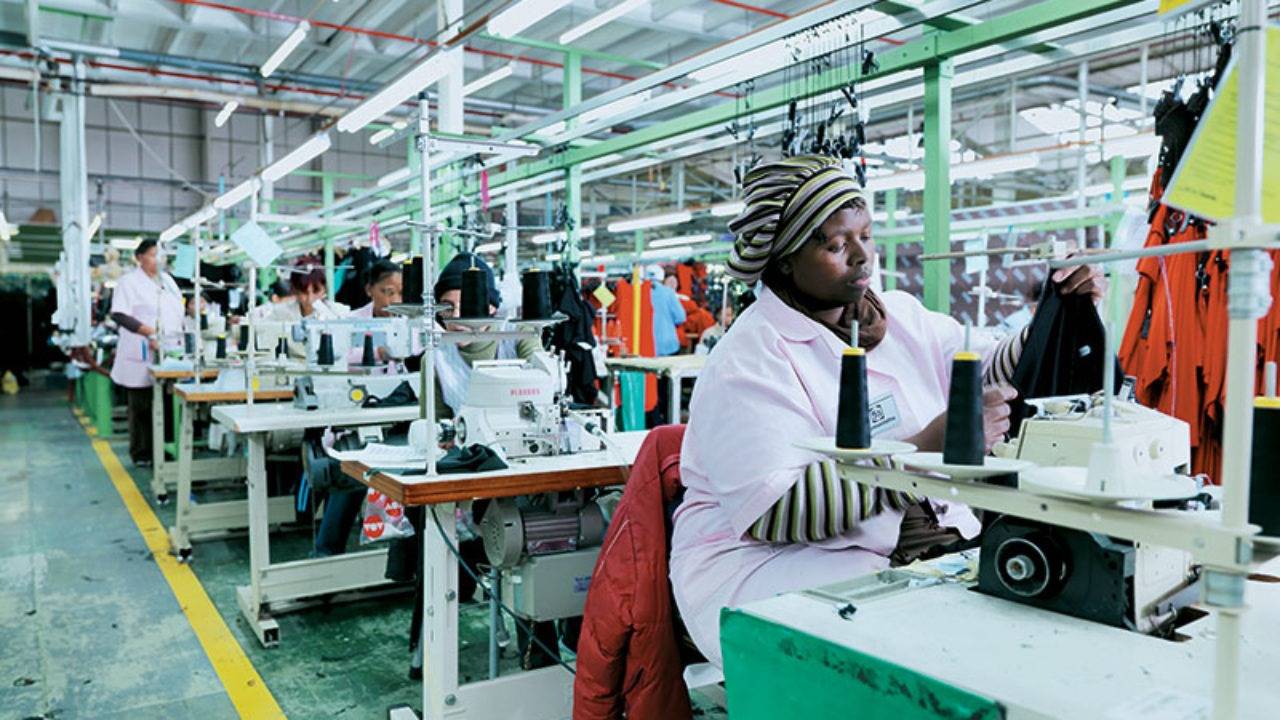
The African Continental Free Trade Area (AfCFTA) is a landmark agreement that integrates most African countries into a single market, creating unprecedented opportunities for the continent’s manufacturing sector. By reducing trade barriers, harmonizing regulations, and facilitating the free movement of goods and services, AfCFTA is set to accelerate industrialization and economic transformation across Africa. This article examines the multifaceted impact of AfCFTA on African manufacturing, highlighting how it expands market access, encourages investment, strengthens regional value chains, and enhances competitiveness.
Expanding Market Access and Economies of Scale
One of the most significant benefits of AfCFTA for manufacturers is access to a vast, unified market. Previously, Africa’s manufacturing sector was constrained by fragmented national markets, each with its own tariffs and regulations. AfCFTA removes many of these barriers, enabling manufacturers to sell their products across borders more easily and cost-effectively.
This expanded market allows manufacturers to scale up production, achieving economies of scale that reduce per-unit costs and improve competitiveness. Larger production volumes also encourage innovation and investment in new technologies. For many African manufacturers, this means the ability to compete not only within the continent but also on global markets.
Strengthening Regional Value Chains
AfCFTA fosters the development of regional value chains, where different countries specialize in specific stages of the manufacturing process. This specialization enhances efficiency and productivity by leveraging each country’s comparative advantages.
For example, raw materials may be sourced from one country, components manufactured in another, and final assembly completed elsewhere within Africa. This interconnected production network reduces dependency on imports from outside the continent and builds resilience against global supply chain disruptions.
Regional value chains also encourage technology transfer and skills development, as countries collaborate and learn from each other’s expertise. This cooperation is crucial for upgrading manufacturing capabilities and moving toward higher value-added production.
Attracting Investment and Technology Transfer
By creating a larger, more predictable market, AfCFTA makes Africa more attractive to foreign and domestic investors. Investors are more willing to establish manufacturing facilities when they can access multiple markets without facing complex trade barriers.
This influx of investment brings not only capital but also new technologies and management practices. Technology transfer enhances local manufacturing capabilities, improves product quality, and increases productivity. It also supports the development of skilled labor, which is essential for sustaining industrial growth.
Diversifying Manufacturing and Product Innovation
AfCFTA encourages African countries to diversify their manufacturing base beyond traditional sectors. With greater market access and regional cooperation, manufacturers can explore new industries such as pharmaceuticals, automotive assembly, agro-processing, and textiles.
This diversification reduces reliance on commodity exports and creates more stable and sustainable economic growth. It also fosters innovation, as manufacturers develop new products tailored to regional and global markets.
Empowering Small and Medium Enterprises (SMEs)
SMEs constitute a large portion of Africa’s manufacturing sector but often face challenges in scaling up and accessing regional markets. AfCFTA’s trade liberalization and simplified regulations help lower these barriers, enabling SMEs to expand their reach and compete more effectively.
Access to a broader market encourages SMEs to invest in improving product quality and adopting new technologies. This growth contributes to job creation and economic inclusion, particularly benefiting women and youth entrepreneurs.
Enhancing Competitiveness Through Quality and Standards
Increased competition under AfCFTA motivates manufacturers to improve product quality and comply with regional standards. Harmonization of technical regulations and standards reduces the cost and complexity of meeting different country requirements.
As manufacturers raise their quality standards, African products become more competitive both within the continent and internationally. This improvement supports export growth and helps build strong African brands.
Addressing Challenges to Maximize Impact
Despite its promise, AfCFTA’s impact on manufacturing depends on overcoming several challenges. Infrastructure deficits, such as unreliable power supply and poor transport networks, increase production and logistics costs. Addressing these infrastructure gaps is critical to enabling efficient manufacturing and trade.
Non-tariff barriers, including customs delays and regulatory inconsistencies, still hinder smooth cross-border trade. Strengthening trade facilitation measures and harmonizing regulations will be essential.
Skills shortages and limited access to finance also constrain manufacturing growth. Investments in education, vocational training, and financial services tailored to manufacturers are necessary to build a competitive workforce and support business expansion.
The Role of Policy and Regional Cooperation
Governments must align national industrial policies with AfCFTA’s objectives, promoting investment, innovation, and skills development. Regional economic communities play a vital role in coordinating policies, infrastructure projects, and trade facilitation to support manufacturing growth.
Public-private partnerships can mobilize resources and expertise to address infrastructure and capacity challenges. Collaborative efforts among governments, businesses, and development partners will accelerate the realization of AfCFTA’s manufacturing potential.
Early Signs of Transformation
Several African countries and sectors are already benefiting from AfCFTA’s implementation. Manufacturing hubs in countries like South Africa, Egypt, Nigeria, and Morocco are expanding production and exports. Automotive companies have established assembly plants across multiple African countries to serve the integrated market.
Agro-processing and textile industries are growing, driven by increased regional demand and improved market access. These early successes demonstrate the tangible benefits of AfCFTA for manufacturing.
Conclusion
AfCFTA is a transformative force for African manufacturing. By expanding market access, fostering regional value chains, attracting investment, and encouraging diversification, it lays the foundation for a competitive and resilient industrial sector.
To fully capitalize on this opportunity, African countries must address infrastructure deficits, reduce non-tariff barriers, invest in skills development, and strengthen regional cooperation. With strategic action, AfCFTA can accelerate industrialization, create jobs, and drive sustainable economic growth across the continent.