
Introduction: Choosing the Best Place to Do Business in Africa in 2026
The question of the best place to do business in Africa in 2026 continues to dominate investor conversations, and two countries consistently rise to the top: South Africa and Rwanda.
At face value, both are attractive:
- They attract foreign direct investment
- They promote pro-business policies
- They position themselves as regional gateways
But the similarities end there.
These markets are fundamentally different in structure, intent, and execution.
South Africa is built for scale. Rwanda is engineered for speed.
Choosing between them is not about which country is “better”, it’s about aligning your business model with the right environment.
Understanding the Core Difference
To identify the best place to do business in Africa in 2026, you must first understand what each country is designed to do.
South Africa: Depth and Complexity
South Africa operates as a highly developed, diversified economy.
It offers:
- Deep capital markets
- Advanced infrastructure
- Broad sector participation
But it also comes with:
- Layered regulation
- Multiple authorities
- Slower decision-making processes
Rwanda: Speed and Efficiency
Rwanda is intentionally streamlined.
Years of reform have created:
- Digitized government services
- Centralized processes
- Minimal administrative friction
The result:
Businesses move from idea to execution quickly.
Ease of Doing Business and Regulatory Environment
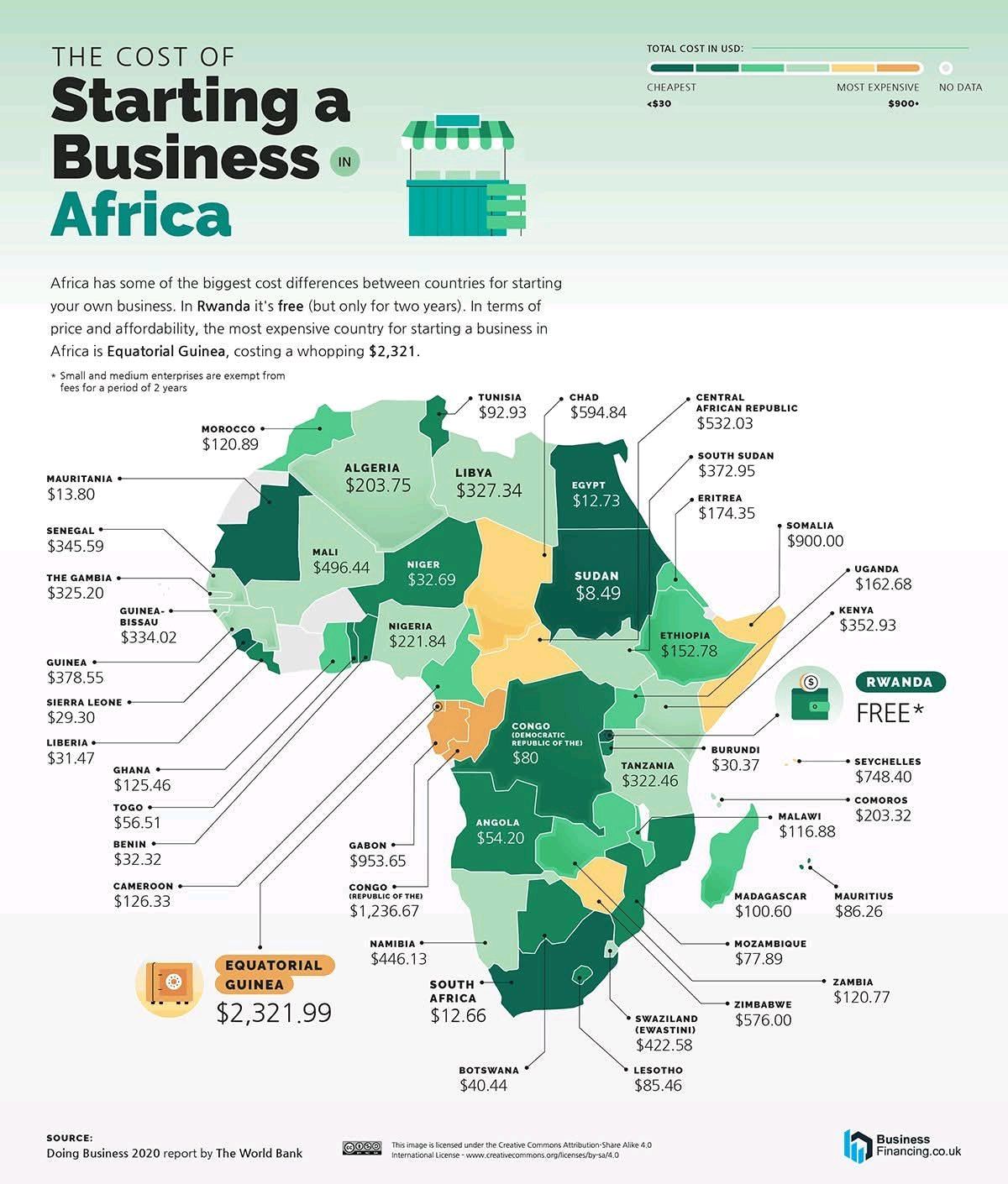
Rwanda has built a global reputation for ease of doing business.
Supported by reforms and institutions like the Rwanda Development Board, the country offers:
- Fast company registration
- Simplified licensing
- Digitized tax systems
This creates:
- Faster market entry
- Lower compliance costs
- Greater predictability
South Africa, by contrast, offers a more sophisticated regulatory framework.
Backed by institutions such as the Companies and Intellectual Property Commission, businesses benefit from:
- Strong legal protections
- Established governance standards
- Independent regulatory bodies
But this comes with:
- Higher compliance requirements
- Longer processing timelines
Market Size and Commercial Opportunity
Market size is a defining factor.
South Africa: Scale Within One Market
- Population: 60+ million
- Diversified economy
- Strong consumer demand
It also serves as a gateway to the Southern African Development Community, enabling regional expansion.
Rwanda: Small Market, Regional Mindset
Rwanda’s domestic market is smaller.
However, it positions itself as a launchpad into the East African Community.
This means:
Businesses must think regionally from day one.
Infrastructure and Operational Realities
South Africa: Advanced but Under Pressure
Strengths:
- World-class banking sector
- Strong telecom infrastructure
- Developed logistics systems
Challenges:
- Energy reliability issues
- Logistics inefficiencies in key sectors
Rwanda: Limited but Reliable
Rwanda offers:
- Consistent service delivery
- Reliable core infrastructure
- Efficient urban systems
While capacity is smaller, predictability is higher.
Access to Capital and Financial Ecosystems
South Africa: Financial Powerhouse
South Africa leads in:
- Capital markets
- Banking
- Venture capital and private equity
This enables:
- Scalable financing
- Diverse funding options
- Easier capital deployment
Rwanda: Emerging Ecosystem
Rwanda is still developing its financial depth.
Businesses often rely on:
- Development finance institutions
- Foreign investment
- Strategic partnerships
Governance, Policy Stability, and Risk
Rwanda: Centralized and Predictable
Rwanda offers:
- Strong policy consistency
- Fast decision-making
- High execution discipline
This creates:
clarity and confidence for investors
South Africa: Institutional Strength with Complexity
South Africa provides:
- Independent judiciary
- Transparent legal framework
- Strong institutions
However:
- Policy shifts can be slower
- Administrative processes can be complex
Talent and Workforce Dynamics
South Africa: Deep Talent Pool
- Skilled professionals across sectors
- Immediate access to expertise
- Strong corporate experience
Rwanda: Emerging Talent Base
- Young, growing workforce
- Increasing investment in education
- Requires training for specialized roles
Sector Opportunities in 2026
Rwanda
- Technology and start-ups
- Digital services
- Light manufacturing
- Regional logistics
South Africa
- Finance
- Mining
- Manufacturing
- Retail and large-scale operations
Strategic Decision: Which Country Is Right for You?
The best place to do business in Africa in 2026 depends on your strategy.
Choose Rwanda if you want:
- Speed and efficiency
- Low entry barriers
- A testing ground for new ideas
Choose South Africa if you want:
- Scale and depth
- Access to capital
- Long-term expansion
The Smart Strategy: Use Both
Increasingly, investors are combining both markets:
- Rwanda → entry and agility
- South Africa → scale and expansion
Conclusion: Rethinking “The Best Place”
The comparison between South Africa and Rwanda reveals a deeper truth:
There is no single “best” place to do business in Africa.
There are specialised ecosystems designed for different stages of growth.
- Rwanda = efficiency and execution
- South Africa = scale and sophistication
Call to Action: Build a Strategy That Matches the Market
Entering Africa requires more than choosing a country.
It requires:
- Clear market entry strategy
- Regulatory understanding
- Alignment with local conditions
If you are planning expansion in 2026:
- Assess your business model
- Identify the right entry point
- Structure for compliance and scalability
- Engage experienced local advisors
Because in African markets, success is not about where you go— it’s about how you enter.


.jpg)