Introduction
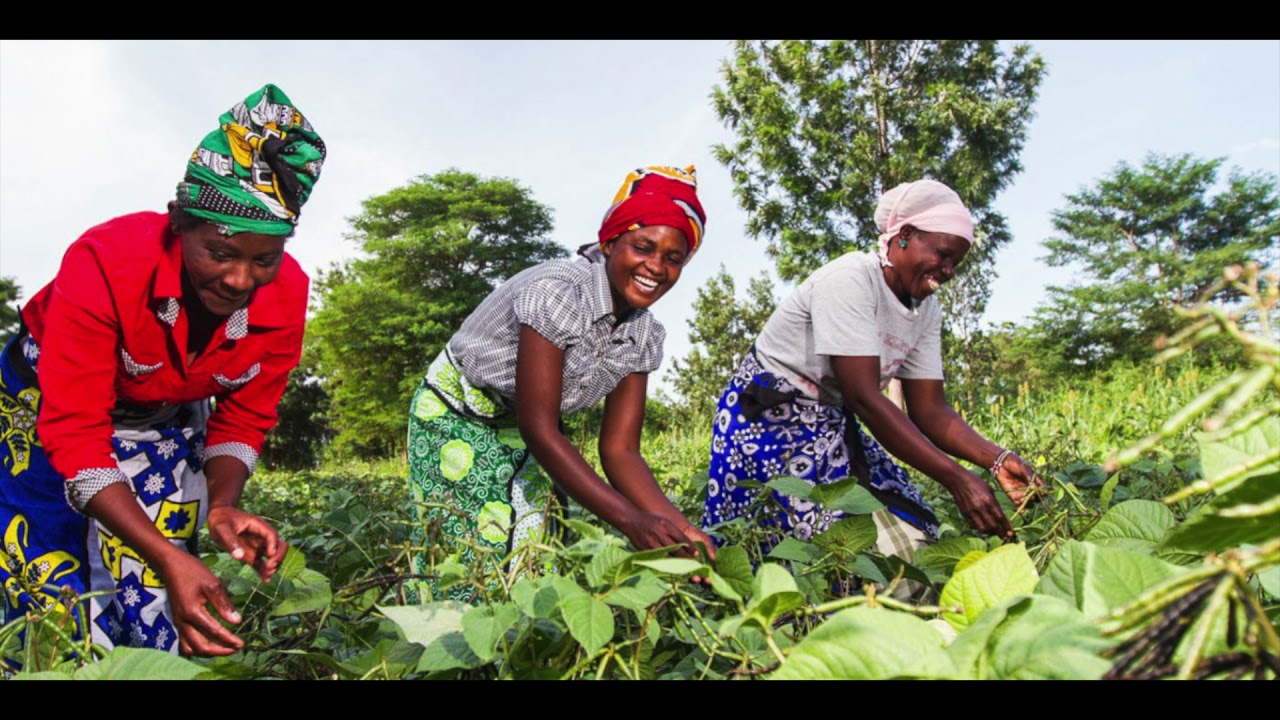
Agriculture is the heartbeat of Africa’s economy. With more than 60 percent of Africans employed in farming and the continent holding 60 percent of the world’s uncultivated arable land, agriculture presents one of the greatest investment opportunities in Africa today.
Yet, despite its potential, African agriculture remains underdeveloped. Productivity levels are low, post-harvest losses are high, and many farmers lack access to finance, markets, and technology. For investors with vision, this gap between potential and reality represents a golden opportunity to invest in African agriculture and unlock enormous value.
Why Invest in African Agriculture?
1. Growing Food Demand
By 2050, Africa’s population is expected to double to 2.5 billion people. Feeding this booming population will require significant investment in food production, storage, and distribution systems.
2. Export Potential
African agricultural products—such as coffee, cocoa, tea, and tropical fruits—are in high demand globally. Value-added processing could increase export earnings exponentially.
3. Agribusiness Opportunities
Agriculture is more than farming. The value chain includes input supply, mechanization, logistics, storage, and food processing. Each stage offers profitable opportunities.
4. Technology Adoption
Agri-tech startups are using drones, AI, and mobile platforms to improve yields and connect farmers to markets. This sector is attracting both venture capital and impact investment.
5. Government Support
Many African governments are prioritizing agriculture through subsidies, incentives, and policies designed to attract local and foreign direct investment.
Key Investment Opportunities in African Agriculture
1. Commercial Farming
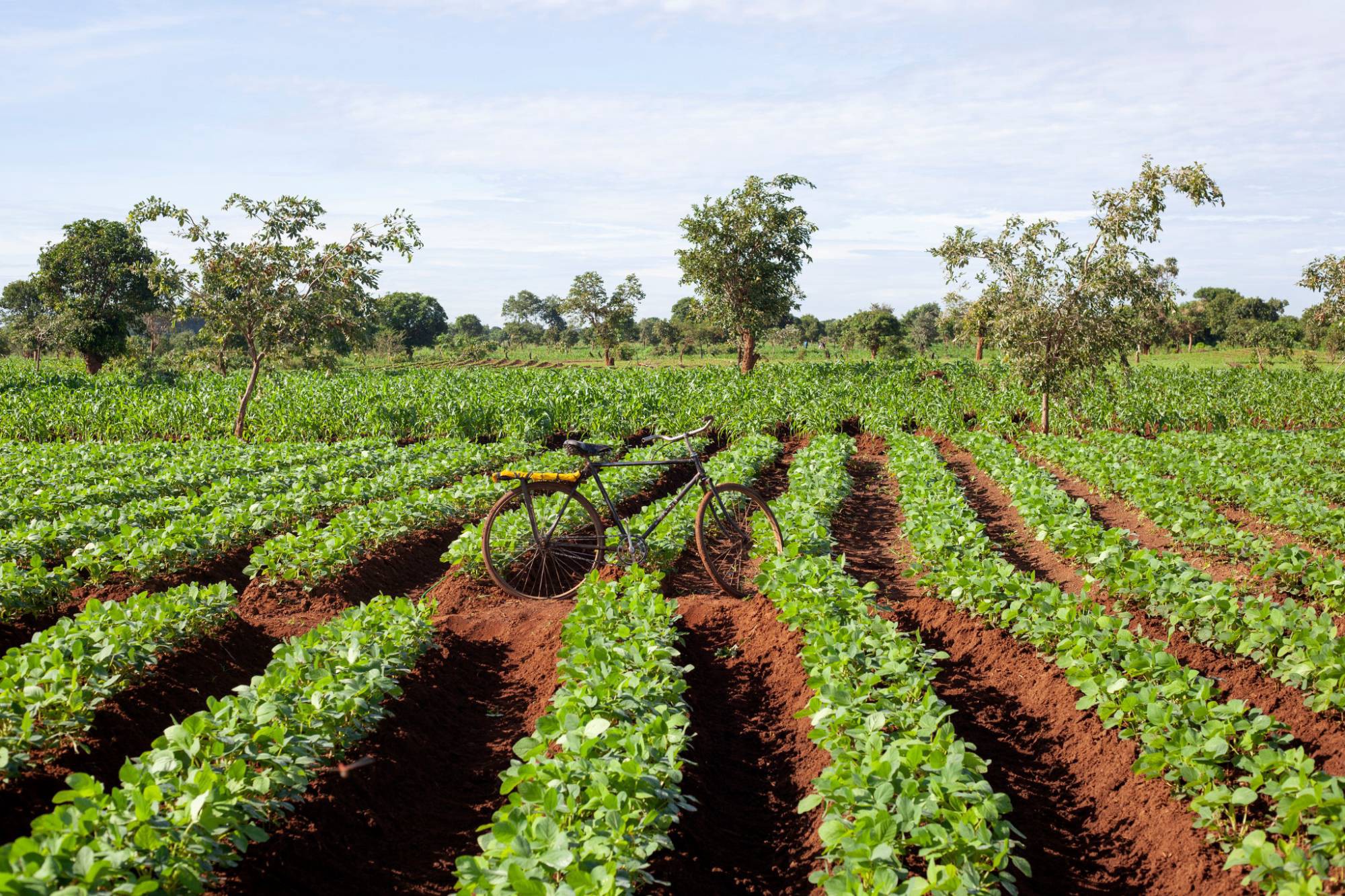
Large-scale farming of crops such as maize, rice, wheat, and soybeans is expanding to meet both domestic and export demand. Countries like Nigeria, Zambia, and Ethiopia are encouraging commercial farming projects.
2. Agro-Processing
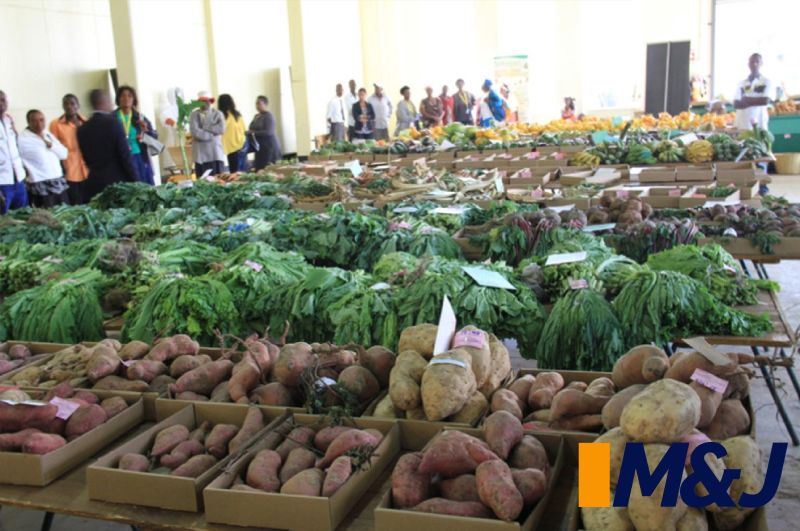
Africa exports raw crops but imports processed foods, losing value in the process. Investment in processing plants for cocoa, coffee, and dairy offers strong returns. For example, processing cocoa into chocolate within Africa captures far more value than exporting raw beans.
3. Storage and Logistics
Post-harvest losses account for up to 30–40 percent of crops due to poor storage and transport systems. Cold chain logistics, warehouses, and efficient distribution systems are in high demand.
4. Agri-Tech Solutions
Mobile apps that provide farmers with market prices, weather updates, and access to finance are transforming rural agriculture. Drone technology for precision farming and digital platforms for crop insurance are also growing sectors.
5. Livestock and Fisheries
The demand for meat, poultry, dairy, and fish is rising rapidly as urban populations expand. Investments in modern livestock production and aquaculture are creating profitable agribusinesses.
6. Sustainable and Organic Farming
With global consumers seeking healthier and eco-friendly products, Africa’s organic farming sector presents a unique opportunity for investors targeting export markets.
Countries Leading in Agricultural Investment
- Nigeria: Largest agricultural market in Africa with demand for mechanization and agro-processing.
- Kenya: A hub for agri-tech innovation and horticultural exports.
- Ethiopia: Major producer of coffee, sesame, and cut flowers.
- Zambia: Fertile land and government incentives for commercial farming.
- Ghana: Cocoa production powerhouse with strong value-add potential.
Challenges in Investing in African Agriculture
While opportunities are immense, investors must navigate several challenges:
- Infrastructure gaps: Poor roads and transport hinder market access.
- Financing barriers: Smallholder farmers often lack access to affordable credit.
- Climate risks: Droughts, floods, and climate change threaten productivity.
- Land tenure issues: Complex land ownership systems can complicate investments.
- Policy instability: Sudden changes in agricultural policies or subsidies affect planning.
The Future of Agricultural Investment in Africa
The outlook for agricultural investment in Africa is extremely positive. Three major trends are driving growth:
- Technology Integration: Precision farming, digital platforms, and AI will increase yields and reduce losses.
- Regional Trade: The African Continental Free Trade Area (AfCFTA) will open new cross-border markets for agricultural products.
- Sustainable Practices: Investors are aligning projects with global ESG (Environmental, Social, Governance) standards to attract green financing.
Strategies for Successful Investment
- Partner Locally: Collaborating with local farmers and agribusinesses ensures cultural understanding and smoother operations.
- Leverage Technology: Use agri-tech solutions to increase efficiency and market access.
- Focus on Value Addition: Invest in processing and packaging to maximize returns.
- Adopt Sustainable Models: Green financing is increasingly tied to environmentally friendly projects.
- Diversify Investment: Spread risk by investing across multiple agricultural value chain stages.
Conclusion
Agriculture is not just Africa’s past—it is its future. For investors seeking high returns and impact, the sector offers unmatched potential in 2025 and beyond. From large-scale farming to agri-tech startups, logistics, and value-added processing, the opportunities are vast and diverse.
To invest in African agriculture is to tap into a growing market of billions, support food security, and contribute to economic transformation. With the right strategy, partnerships, and commitment to sustainability, agriculture in Africa is not just an investment—it is a legacy.