
Introduction
Namibia’s growing economy and strategic location in Southern Africa make it an ideal place to start a logistics company. From freight forwarding and warehousing to cross-border transportation and last-mile delivery, the logistics sector in Namibia presents numerous business opportunities.
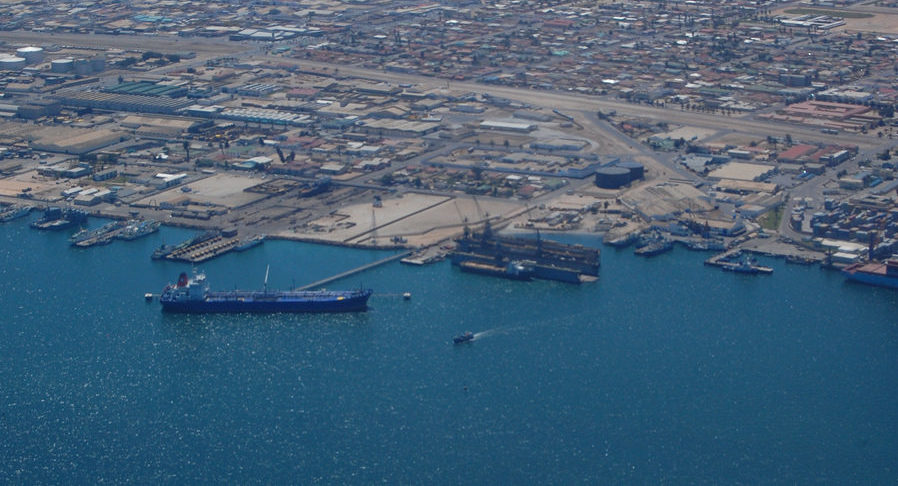
If you’re wondering how to set up a logistics company in Namibia, this article will walk you through the process—from legal registration to acquiring fleet and clients. Whether you’re targeting domestic freight or international shipping through ports like Walvis Bay, this guide covers all the essential steps.
Why Start a Logistics Business in Namibia?
Before diving into the technical steps, it’s important to understand why Namibia is a great location for logistics operations:
- Strategic location: With access to the Atlantic Ocean and shared borders with Angola, Zambia, Botswana, and South Africa, Namibia is a hub for regional trade.
- Modern infrastructure: Namibia offers good road networks, a major deep-sea port at Walvis Bay, and air cargo facilities.
- Growing demand: As industries expand, so does the need for efficient transport, freight handling, and warehousing.
- Government support: The Namibian government encourages private investment in transport and logistics through public-private partnerships and incentives.
Step 1: Conduct Market Research and Create a Business Plan
The foundation of any successful logistics company is research and planning.
Key Actions:
- Identify your niche: Will you focus on long-haul trucking, last-mile delivery, freight forwarding, or warehousing?
- Study competitors: Analyze logistics companies already operating in Namibia. Look at pricing, services, and customer base.
- Understand your customer: Target industries may include mining, retail, agriculture, manufacturing, and import/export businesses.
- Create a business plan: Outline your business model, funding strategy, operations, pricing, marketing, and projected revenue.
Step 2: Register Your Logistics Company in Namibia
To operate legally, your company must be registered with the relevant authorities.
Business Registration Steps:
- Reserve a Company Name through the Business and Intellectual Property Authority (BIPA).
- Register your business entity—typically a Private Company (Pty) Ltd, which offers limited liability and operational flexibility.
- Obtain a Certificate of Incorporation from BIPA.
- Register for tax with the Namibia Revenue Agency (NamRA), including VAT if your turnover exceeds the legal threshold.
- Open a corporate bank account in Namibia.
Step 3: Get Licenses, Permits, and Legal Approvals
Logistics is a regulated industry in Namibia, so you’ll need specific licenses and permits before you start operating.
Required Licenses and Permits:
- Road Transport Permit: Issued by the Roads Authority of Namibia for commercial transport vehicles.
- Municipal Trading License: Required by local authorities based on your location.
- Cross-border permits (if applicable): For transporting goods between Namibia and other SADC countries.
- Employee registrations: Register with the Social Security Commission (SSC) for employee benefits and compensation.
- Insurance: Get vehicle insurance, cargo insurance, and general liability insurance.
Step 4: Acquire Vehicles, Equipment, and Technology
Once the legal groundwork is laid, the next step is to build your logistics infrastructure.
Fleet and Equipment Needs:
- Trucks or vans: Depending on your service offering, you’ll need anything from light delivery vehicles to heavy-duty trucks.
- GPS tracking: Helps monitor vehicles in real-time and ensures efficient routing.
- Fleet management software: Assists with fuel usage, driver logs, maintenance schedules, and delivery tracking.
- Warehousing space: If you offer storage solutions, invest in secure and accessible warehouse facilities.
Step 5: Set Up Your Operations and Hire Staff
Smooth logistics operations depend on a strong team and efficient systems.
Staff You’ll Need:
- Drivers with valid commercial licenses and experience.
- Dispatchers and logistics coordinators to plan and schedule deliveries.
- Warehouse staff for packing, loading, and inventory.
- Administrative personnel for billing, HR, and customer service.
Operational Setup:
- Create standard operating procedures (SOPs).
- Implement vehicle maintenance schedules.
- Set up safety protocols and driver training programs.
Step 6: Calculate Costs and Secure Funding
Starting a logistics business in Namibia requires significant capital investment.
Major Expenses:
- Company registration and licensing
- Vehicle purchase or leasing
- Fuel and maintenance costs
- Office and warehouse rent
- Technology systems (tracking, CRM, accounting)
- Insurance and employee salaries
Funding Options:
- Personal savings
- Business loans from Namibian banks
- Investment from partners
- Government grants or SME incentives (check with the Ministry of Industrialization and Trade)
Step 7: Market Your Logistics Company and Find Clients
To build a client base, you’ll need to invest in marketing and networking.
Marketing Tactics:
- Create a professional website showcasing your services, coverage, and contact details.
- Use digital marketing: Google Ads, SEO, and social media can help you reach importers, exporters, and retailers.
- Join industry associations: This helps you network with other players in Namibia’s transport and logistics sector.
- Offer value-added services: Tracking updates, excellent customer support, and on-time delivery will build your reputation.
Conclusion
Starting a logistics company in Namibia involves a mix of legal, operational, and financial steps. From registering your company and obtaining permits to building your fleet and marketing your services, each step must be carefully planned and executed. With the right business model, skilled staff, and compliance in place, your logistics company can become a vital player in Namibia’s growing economy