Introduction
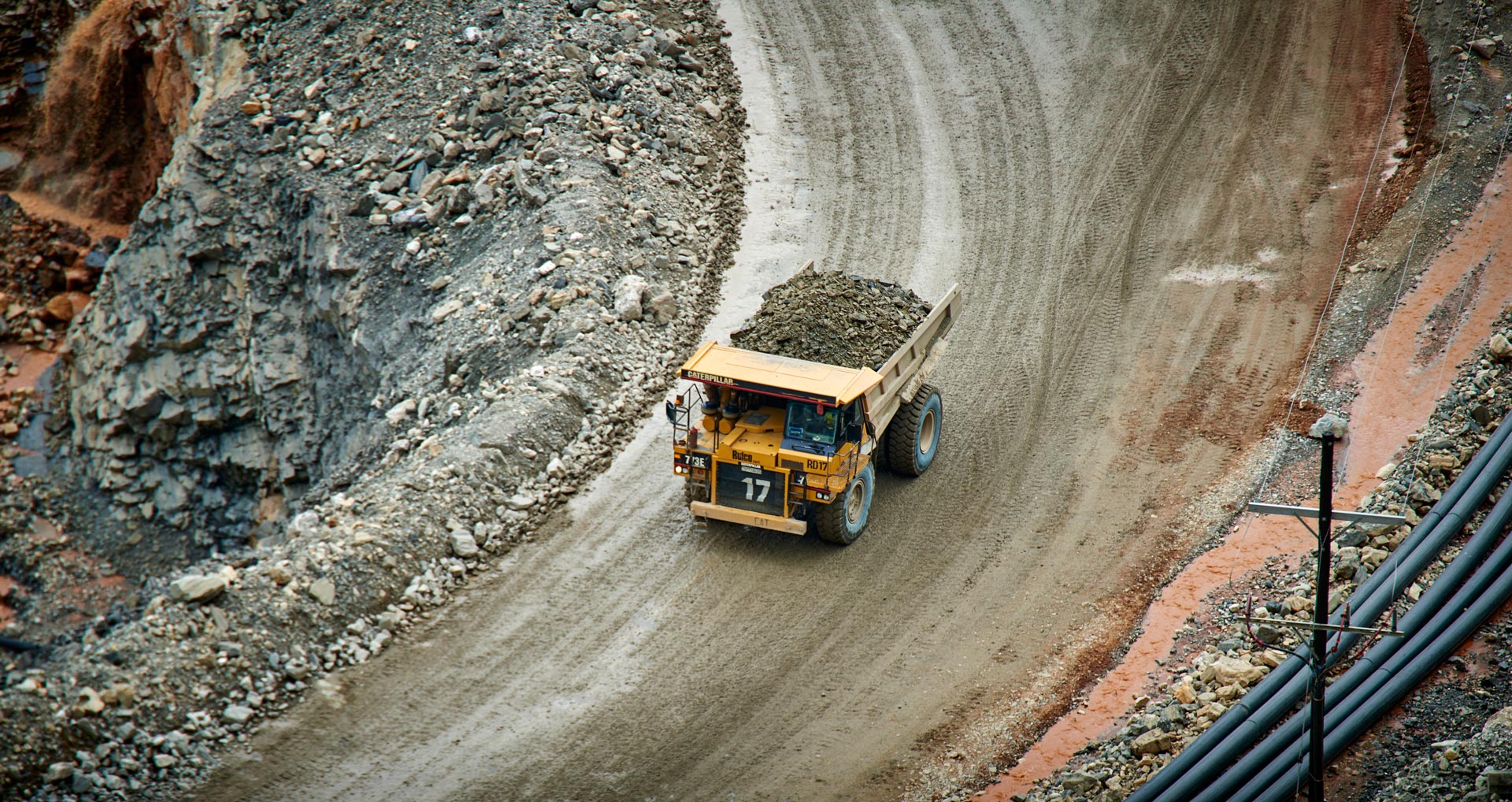
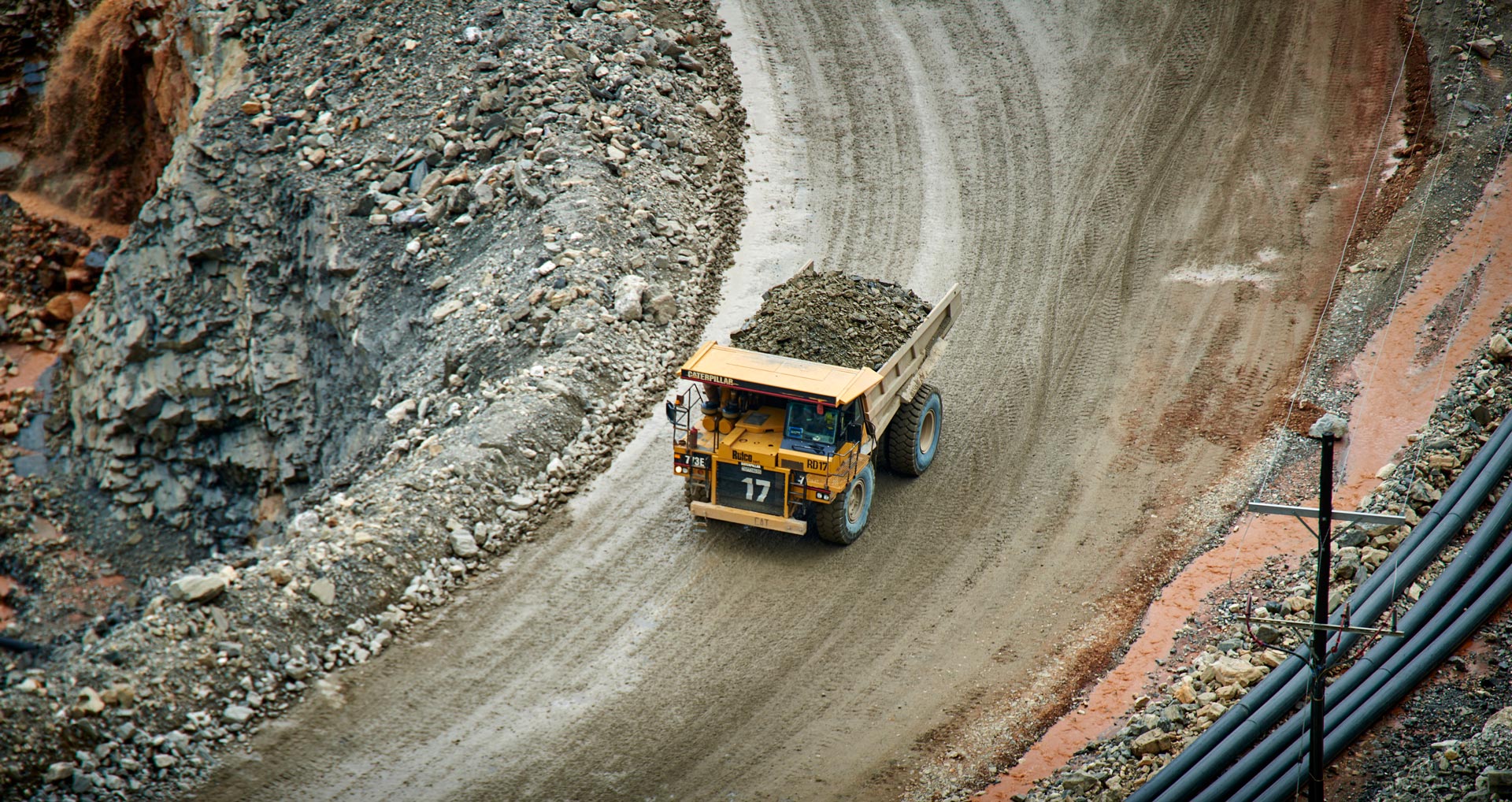
The Democratic Republic of Congo (DRC) stands at the heart of the global transition to clean energy. Its vast reserves of cobalt, copper, and lithium are essential to the production of electric vehicles, renewable energy systems, and advanced technologies. Yet, the DRC’s mining sector faces growing scrutiny over environmental, social, and governance (ESG) practices and ethical sourcing.
For investors and mining operators, navigating ESG and compliance in the DRC is no longer optional—it is a decisive factor in maintaining access to global markets, securing financing, and ensuring long-term sustainability.
1. The Global Shift Toward Ethical Sourcing
Global consumers and manufacturers increasingly demand minerals that are sourced responsibly. Regulations such as the EU Battery Regulation, the U.S. Dodd-Frank Act, and OECD Due Diligence Guidance have established strict supply-chain transparency standards.
As a result, multinational buyers now require proof that minerals from the DRC are produced under ethical and environmentally sound conditions. This has created both challenges and opportunities for mining firms operating in the country.
2. Understanding ESG in the Context of DRC Mining
ESG in mining focuses on three key pillars:
- Environmental: Responsible resource extraction, pollution prevention, and mine-site rehabilitation.
- Social: Community development, fair labor practices, and protection of human rights.
- Governance: Transparent reporting, anti-corruption policies, and compliance with national and international regulations.
In the DRC, strong ESG performance builds trust with communities, enhances investor confidence, and strengthens relationships with global off-takers.
3. Key Ethical Sourcing Concerns in the DRC
a. Child and Forced Labor
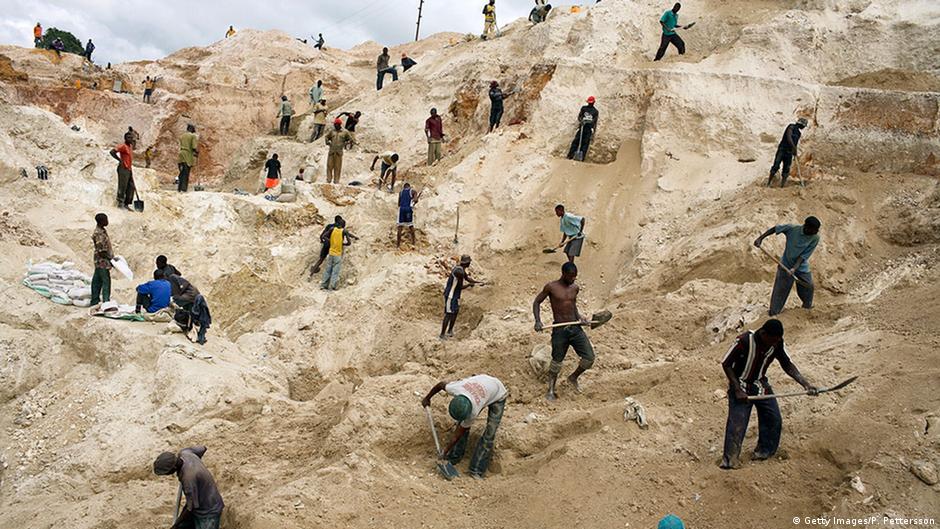
Artisanal mining, especially in cobalt and gold sectors, has raised concerns about child labor. Investors and buyers now insist on full due diligence and verified supply chains to ensure compliance with human rights standards.
b. Environmental Impact
Deforestation, waste mismanagement, and water contamination have long-term ecological consequences. Responsible operators must adopt cleaner technologies and implement mine-closure and rehabilitation plans.
c. Corruption and Governance
Corruption risks within licensing and procurement systems can threaten transparency. Implementing strong internal controls and aligning with international compliance frameworks are vital to reduce governance risk.
d. Community Relations
Mining operations often affect local communities through resettlement, land use, and social disruption. Companies must maintain open dialogue and invest in community development projects to build mutual trust.
4. Regulatory Compliance Requirements in the DRC
The DRC government has strengthened its regulatory framework to encourage responsible mining practices. Key requirements include:
- DRC Mining Code (2018, revised 2023): Establishes environmental obligations, local content policies, and community contributions.
- Environmental and Social Impact Assessments (ESIA): Mandatory before any exploitation license is granted.
- Transparency Reporting: Companies must disclose ownership structures, export data, and tax contributions.
- Local Content Regulations: Encourage employment of Congolese nationals and procurement from local suppliers.
These measures align with international sustainability initiatives and enhance investor confidence in the sector.
5. Implementing Effective ESG Strategies in the DRC
To meet global expectations and regulatory requirements, mining companies operating in the DRC should focus on:
- Robust Due Diligence Systems
Establish full traceability of minerals from extraction to export using third-party verification or blockchain-based tracking tools. - Stakeholder Engagement
Build long-term partnerships with local communities, civil society, and government institutions. - Environmental Stewardship
Adopt best practices in waste management, energy efficiency, and biodiversity protection. - Human Rights Protection
Implement strict labor standards and zero-tolerance policies on child and forced labor within all supply-chain tiers. - Governance and Transparency
Publish sustainability reports that follow recognized frameworks such as the Global Reporting Initiative (GRI) or ESG-linked performance metrics.
6. The Role of International Partnerships and Certifications
Several global initiatives support ethical sourcing in the DRC mining sector:
- OECD Due Diligence Framework: Guides responsible supply-chain management for conflict minerals.
- EITI (Extractive Industries Transparency Initiative): Promotes public disclosure of payments and production data.
- Responsible Minerals Initiative (RMI): Provides standards and audits for responsible cobalt and 3TG (tin, tantalum, tungsten, gold) sourcing.
- Fair Cobalt Alliance: Encourages responsible artisanal mining through training, safety, and child-protection programs.
Aligning with these frameworks not only enhances reputation but also facilitates access to international financing.
7. ESG as a Driver of Investment and Profitability
Adopting ethical sourcing and ESG compliance is not just about risk mitigation—it is a competitive advantage. Investors increasingly favor companies that demonstrate strong sustainability credentials.
Mining firms with verified ESG policies can benefit from:
- Easier access to international funding and green financing instruments
- Preferential treatment in procurement by global manufacturers
- Improved community relationships and reduced operational disruptions
- Enhanced long-term profitability through efficiency and reputation gains
By contrast, companies that ignore ESG risk losing contracts, licenses, and access to export markets.
8. Challenges and the Path Forward
Despite progress, DRC’s mining industry still faces systemic challenges:
- Weak enforcement of environmental and labor laws
- Limited institutional capacity for monitoring compliance
- Informal artisanal mining outside regulatory oversight
To overcome these obstacles, collaboration is key. The government, private sector, and development partners must strengthen data transparency, invest in formalization of artisanal miners, and support digital systems for traceability.
Conclusion
Ethical sourcing and ESG compliance are transforming the future of the DRC mining sector. For investors and operators, adopting responsible practices is not only a moral obligation but also a strategic necessity for competitiveness in a globalized, sustainability-driven economy.
By embedding ESG principles—environmental protection, social inclusion, and transparent governance—into every stage of the mining value chain, the DRC can position itself as a reliable, ethical supplier of the world’s most critical minerals.
Sustainable mining is now the path forward—one that ensures economic growth for the nation and long-term value for responsible investors.