Introduction
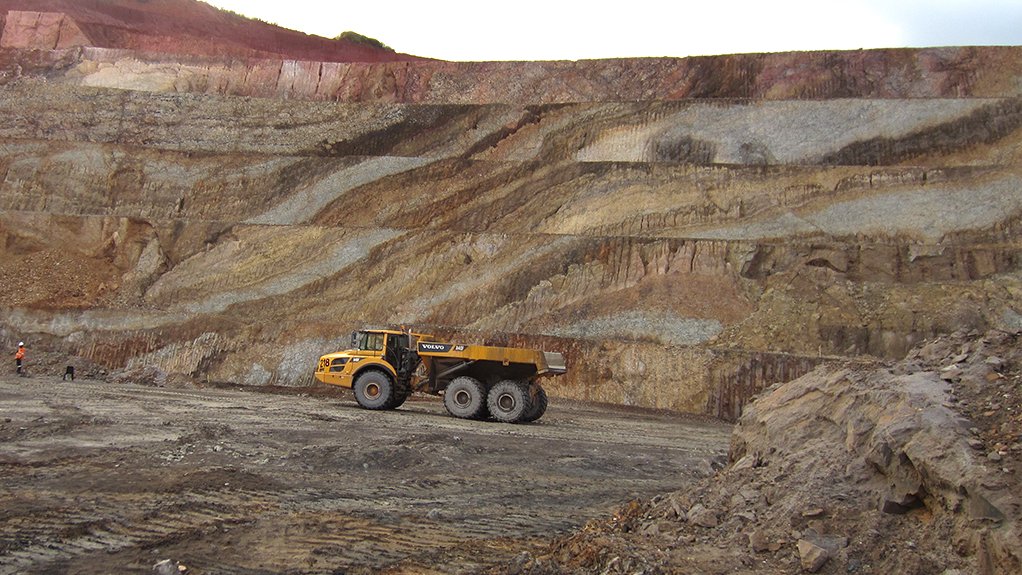
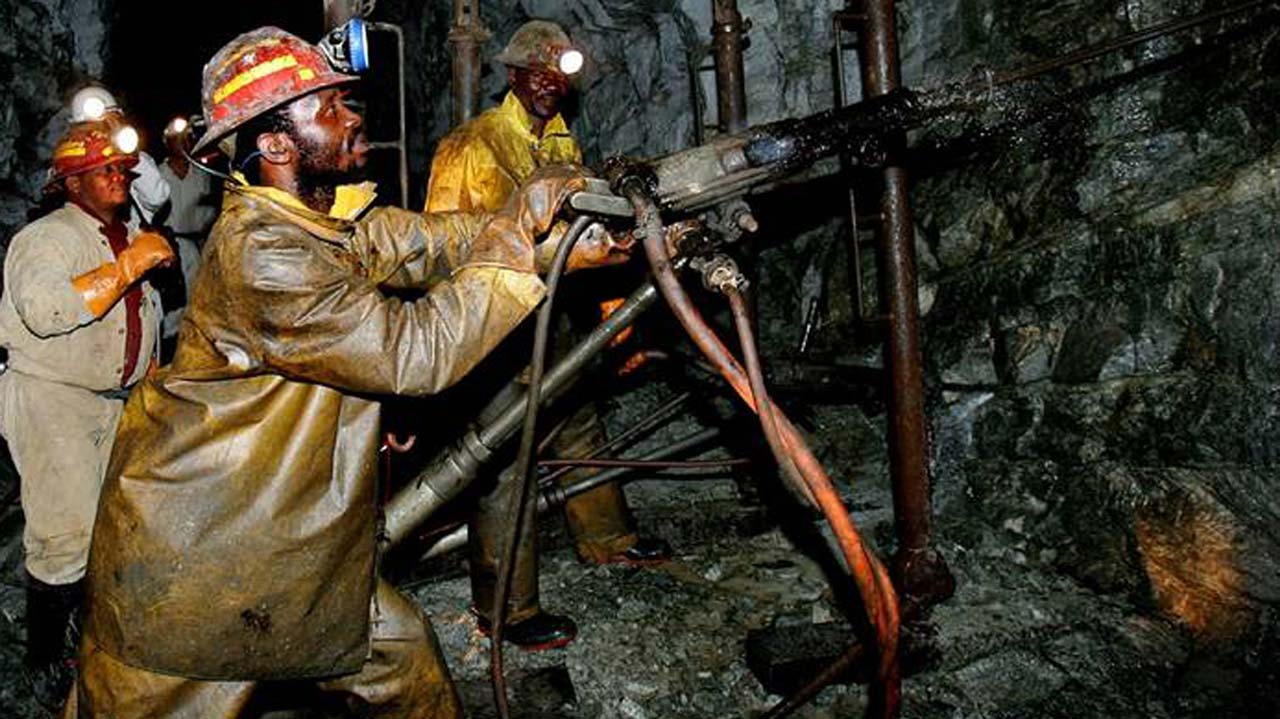
South Africa’s mining industry has long been the backbone of its economy, contributing significantly to GDP, exports, and employment. The country remains one of the world’s leading producers of minerals such as gold, platinum, coal, and manganese.
Before launching any mining project, however, a feasibility study is critical. This study helps investors and stakeholders determine whether the project is economically viable, technically sound, and environmentally sustainable. It is a vital step that reduces risks, enhances transparency, and ensures informed decision-making.
In this article, we explore how to conduct a feasibility study in South Africa’s mining sector, outlining each key phase, legal considerations, and best practices.
1. Understanding the Purpose of a Feasibility Study
A feasibility study assesses the practicality and profitability of a proposed mining project. It answers fundamental questions such as:
- Can the project be technically developed with available technology?
- Is it financially viable under current and forecasted market conditions?
- What are the environmental and social implications?
- Does it comply with South African laws and regulations?
A well-executed feasibility study provides a blueprint for mine development and is often required by investors, financiers, and government regulators before any project approval.
2. Stages of a Mining Feasibility Study
A mining feasibility study is typically conducted in three stages, each offering greater detail and precision.
a. Preliminary or Scoping Study
This is the first stage, often carried out after an initial exploration program. It aims to determine whether the mineral deposit is worth further investigation.
Key aspects include:
- Basic geological assessment.
- Preliminary cost estimates.
- Market analysis for the mineral commodity.
- Identification of potential environmental and social impacts.
The goal is to decide whether to proceed to more detailed studies.
b. Pre-Feasibility Study (PFS)
At this stage, the project begins to take clearer shape.
A PFS examines:
- Mining methods and processing options.
- Preliminary mine design and layout.
- Infrastructure requirements such as power, water, and transport.
- Initial capital and operating cost estimates.
- Early-stage risk analysis and sensitivity testing.
This stage determines whether the project should advance to a final feasibility study or be re-evaluated.
c. Definitive or Bankable Feasibility Study (BFS)
This is the most detailed and critical stage. The BFS provides the technical and financial justification needed for investors and lenders to fund the project.
It includes:
- Detailed geological modeling and resource estimation.
- Full engineering design for mining and processing.
- Comprehensive cost breakdown (capital, operational, maintenance).
- Financial modeling, including cash flow and ROI projections.
- Environmental impact assessments and mitigation plans.
- Legal, permitting, and social engagement frameworks.
The BFS serves as the foundation for mine development and project financing.
3. Legal and Regulatory Considerations in South Africa
Mining in South Africa is highly regulated, and a feasibility study must comply with the legal framework set by the Department of Mineral Resources and Energy (DMRE).
Key legal components include:
- Mining Rights and Licenses:
Investors must apply for exploration or mining rights under the Mineral and Petroleum Resources Development Act (MPRDA). The feasibility study often forms part of the application process. - Environmental Authorizations:
Environmental Impact Assessments (EIA) are mandatory. These ensure compliance with the National Environmental Management Act (NEMA) and associated environmental management plans. - Social and Labour Plans (SLP):
Mining companies must outline how they will contribute to local community development, employment, and skills training. - Health and Safety Compliance:
The Mine Health and Safety Act mandates strict adherence to safety standards throughout project planning and operations.
Failure to address these aspects in the feasibility stage can delay approvals and increase project risks.
4. Financial and Economic Evaluation
A core component of any feasibility study is the financial analysis. This determines the project’s profitability under various market scenarios. Key aspects include:
- Capital Expenditure (CAPEX): Initial costs for exploration, development, infrastructure, and equipment.
- Operating Expenditure (OPEX): Costs of running the mine once operational, including labor, fuel, and maintenance.
- Revenue Projections: Based on mineral prices, production rates, and sales forecasts.
- Cash Flow Modeling: Estimation of project cash inflows and outflows over time.
- Sensitivity Analysis: Assessment of how changes in key variables (commodity prices, costs, exchange rates) affect project viability.
Investors often use indicators such as Net Present Value (NPV), Internal Rate of Return (IRR), and Payback Period to assess financial attractiveness.
5. Technical Assessment and Mine Design
The technical section of the feasibility study focuses on how the mine will be developed and operated. It includes:
- Geological and Resource Modeling: Understanding the size, grade, and location of mineral deposits.
- Mining Method Selection: Choosing between open-pit or underground mining depending on geology and economics.
- Processing and Metallurgy: Determining the best method to extract and refine minerals.
- Infrastructure Planning: Designing access roads, water supply, power lines, and waste management systems.
- Equipment and Technology Requirements: Selecting machinery and technology suitable for efficiency and safety.
A solid technical plan ensures that the project is realistic, cost-effective, and sustainable.
6. Environmental and Social Impact Studies
Sustainability is now central to mining operations worldwide. A feasibility study in South Africa must evaluate the project’s potential environmental and social footprint.
Key areas of focus include:
- Land use and biodiversity impacts.
- Water and air quality management.
- Waste disposal and mine rehabilitation.
- Community relations and stakeholder engagement.
Projects that prioritize environmental stewardship and community development are more likely to receive government and investor support.
7. Risk Assessment and Mitigation
Every mining project carries risks. A well-prepared feasibility study identifies, quantifies, and proposes mitigation strategies for each.
Typical risks include:
- Commodity price fluctuations.
- Regulatory changes or delays in licensing.
- Technical uncertainties related to ore grade or recovery rates.
- Operational risks such as labor disputes or equipment failures.
- Environmental or social opposition.
A risk matrix outlining the likelihood and impact of each risk helps investors understand the project’s resilience under different conditions.
8. Best Practices for a Successful Feasibility Study
To ensure accuracy and credibility:
- Use Qualified Professionals: Engage geologists, engineers, and financial analysts with mining experience.
- Rely on Verified Data: Base calculations on reliable geological and financial data.
- Include Scenario Planning: Model best-case, base-case, and worst-case outcomes.
- Engage Early with Regulators: Maintain open communication with the DMRE and local communities.
- Regularly Update the Study: Market and regulatory conditions change, and updates keep the project relevant.
Conclusion
A well-structured feasibility study is the cornerstone of any successful mining venture in South Africa. It provides investors, financiers, and regulators with the confidence that the project is both profitable and sustainable.
By carefully evaluating technical, financial, environmental, and social factors, companies can minimize risks, secure funding, and ensure compliance with South African laws.
As the mining sector continues to evolve, those who invest in thorough feasibility planning will stand the best chance of success in South Africa’s rich and competitive mineral landscape.