
Introduction
The Democratic Republic of Congo (DRC) offers vast investment opportunities in mining, agriculture, energy, and infrastructure. Two cities stand out as the nation’s economic powerhouses: Kinshasa, the political and administrative capital, and Lubumbashi, the commercial hub of the mining-rich Katanga region.
For entrepreneurs looking to establish a company in the DRC, understanding the differences in registration procedures between these two cities is crucial. While both follow the same OHADA business law framework, the local administrative processes, bureaucratic efficiency, and business culture vary significantly.
This article explores how registering a company in Kinshasa compares to doing so in Lubumbashi — from documentation to timelines, costs, and ease of operation.
1. The Legal Framework: Same Foundation, Different Practice
Both Kinshasa and Lubumbashi operate under the OHADA (Organization for the Harmonization of Business Law in Africa) system, which standardizes company registration and corporate governance across the DRC.
Under OHADA, businesses can be registered as:
- SARL (Société à Responsabilité Limitée) – Limited Liability Company
- SA (Société Anonyme) – Public Limited Company
- SNC (Société en Nom Collectif) – General Partnership
- EIG (Economic Interest Group) – Business collaboration model
The National One-Stop Service for Business Creation (Guichet Unique de Création d’Entreprise – GUCE) manages company registrations in both cities. However, while the legal requirements are identical, the execution and speed of processes differ between Kinshasa and Lubumbashi.
2. Registration in Kinshasa: Centralized and Bureaucratic
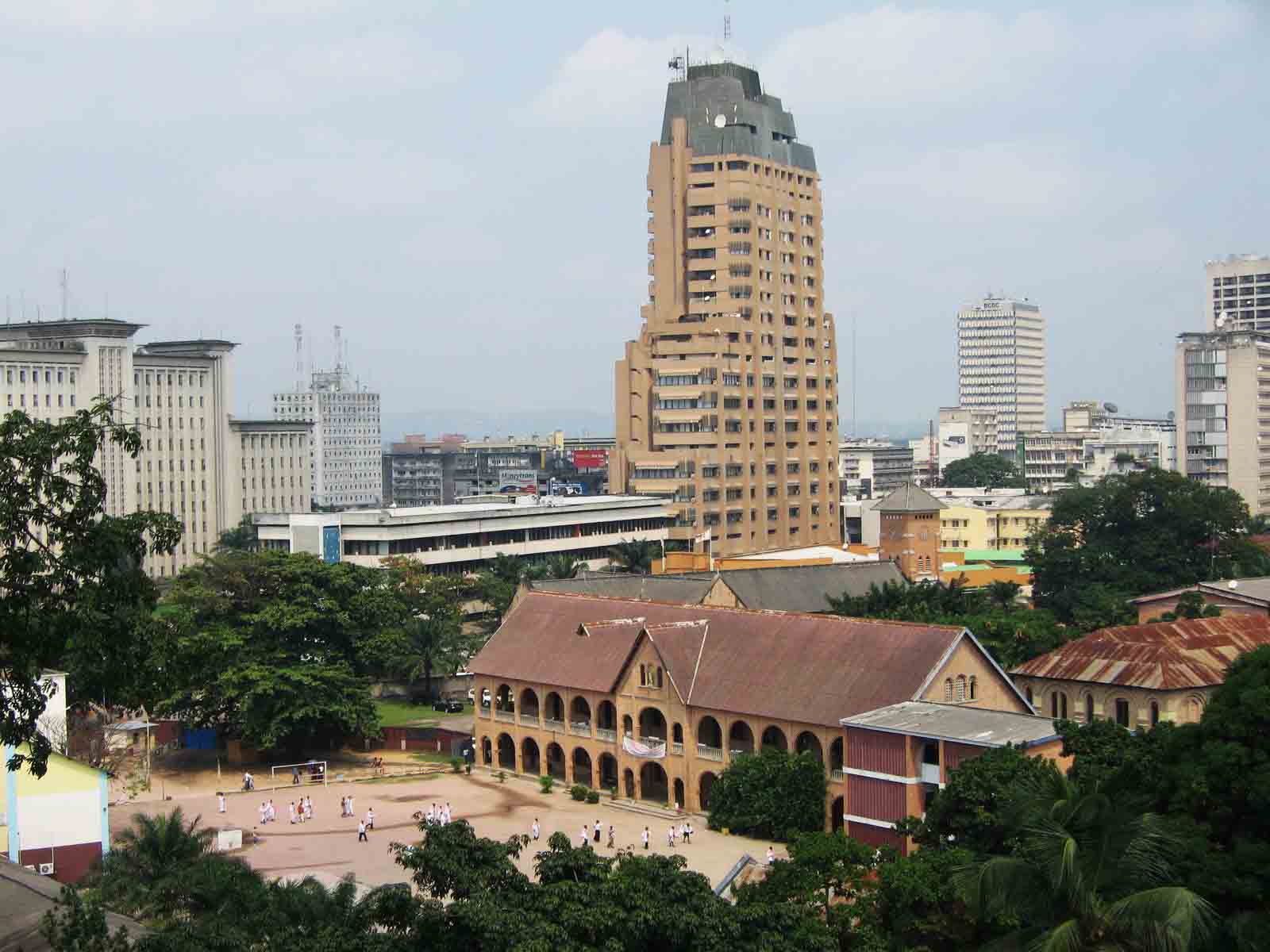
Kinshasa, as the national capital, hosts most government ministries, regulatory agencies, and the headquarters of GUCE.
Advantages of Registering in Kinshasa:
- Central Access to Government Institutions:
Investors can easily interact with national authorities such as the Ministry of Justice, the National Bank, and the Investment Promotion Agency (ANAPI). - Availability of Professional Services:
The city has a higher concentration of law firms, auditors, and consultants specializing in business formation and compliance. - Proximity to Policy Makers:
Ideal for companies involved in government contracts, finance, or national-scale projects.
Challenges:
- Longer Processing Times:
Due to high demand and administrative congestion, registration can take 2–4 weeks. - Higher Costs:
Office space and legal services are generally more expensive in the capital. - Complex Bureaucracy:
Some processes, such as obtaining tax or municipal permits, may require multiple approvals.
In short, Kinshasa offers institutional proximity but at the cost of slower execution and higher overhead.
3. Registration in Lubumbashi: Faster, Mining-Driven Environment
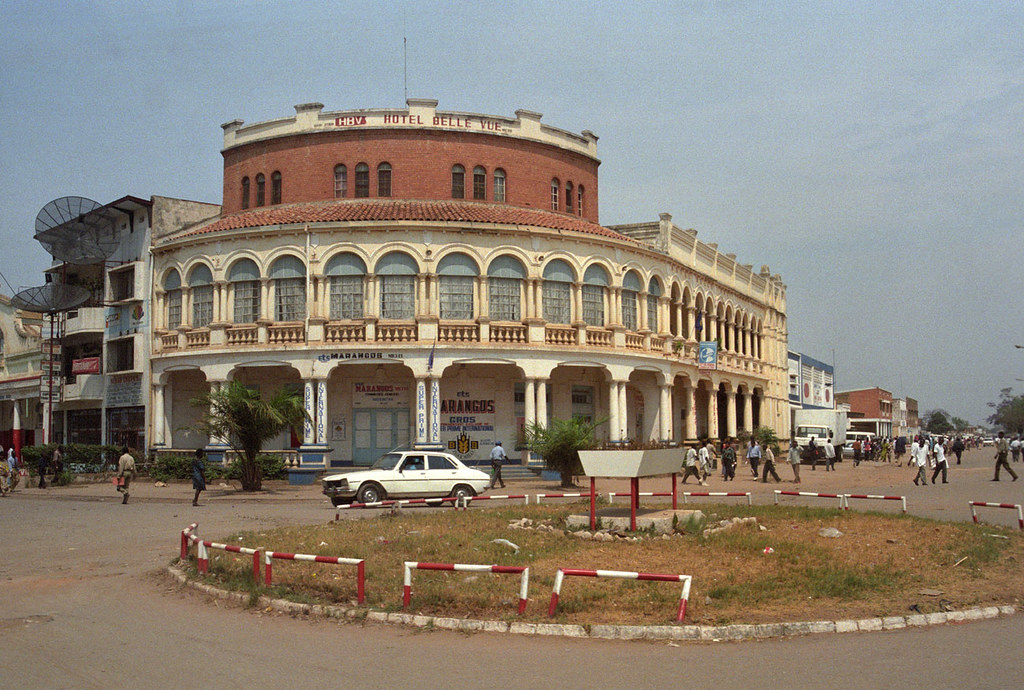
Lubumbashi, the second-largest city in the DRC, is the heart of the Katanga mining region, contributing a significant share of the country’s GDP.
Advantages of Registering in Lubumbashi:
- Faster Procedures:
Local GUCE offices are less congested, and many businesses report completing registration within 7–10 working days. - Mining Sector Access:
Ideal for companies in logistics, mining services, and equipment supply. Proximity to large mining corporations enhances networking opportunities. - Lower Operational Costs:
Office rentals, staff costs, and professional fees are typically lower than in Kinshasa. - Regional Business Friendliness:
Local authorities are known to be more flexible and business-oriented, especially toward foreign investors.
Challenges:
- Limited Access to National Institutions:
Certain approvals, such as high-value investment licenses or import-export permits, may still need validation from Kinshasa. - Language and Cultural Nuances:
The business environment is more influenced by Southern African commercial culture, requiring localized negotiation skills. - Infrastructure Gaps:
Despite rapid growth, Lubumbashi still faces occasional power and connectivity constraints.
Lubumbashi’s appeal lies in its speed and strategic location near Zambia, making it a gateway for regional trade and mining-related businesses.
4. Key Administrative Differences Between Kinshasa and Lubumbashi
Aspect
Kinshasa
Lubumbashi
Processing Time
2–4 weeks
7–10 working days
Registration Authority
GUCE (Head Office)
GUCE Provincial Office
Cost of Incorporation
Slightly higher due to professional fees
Relatively lower
Business Focus
National-scale and government-linked
Mining and cross-border trade
Access to Agencies
Centralized (ANAPI, Tax, Customs)
Regional offices with limited national authority
Professional Services
Abundant, with wide expertise
Growing but limited specialization
While both cities follow the same legal template, Lubumbashi tends to be more efficient, whereas Kinshasa provides broader institutional access for large-scale investors.
5. Steps for Company Registration (Applicable in Both Cities)
Regardless of location, company registration in the DRC generally follows these steps:
- Reserve a Company Name: Submit a name request at GUCE.
- Prepare Company Documents: Draft the Articles of Association and notarize them.
- Deposit Share Capital: Open a provisional bank account for the company.
- Submit Application at GUCE: Provide all documents including shareholder IDs, address proof, and capital proof.
- Obtain the Company Certificate: Issued by the Ministry of Justice.
- Register for Tax Identification (NIF): At the Directorate General of Taxes (DGI).
- Enroll with the National Social Security Fund (CNSS): Mandatory for employers.
- Register with the Commercial Court: Ensures public recognition of the company.
- Obtain Sectoral Licenses: Especially for regulated industries like mining or transport.
These steps apply in both Kinshasa and Lubumbashi, but the execution speed and coordination among agencies differ.
6. Choosing Between Kinshasa and Lubumbashi: Factors to Consider
When deciding where to register your business, consider:
- Industry Focus:
- Choose Kinshasa for finance, telecoms, consulting, and government projects.
- Choose Lubumbashi for mining, logistics, and cross-border trade with Zambia.
- Speed of Registration:
Lubumbashi is generally faster and less bureaucratic. - Operational Costs:
Kinshasa has higher costs but stronger national presence. - Networking Opportunities:
Kinshasa connects to national authorities, while Lubumbashi connects to regional business networks. - Regulatory Access:
National licenses and permits are easier to obtain in Kinshasa.
7. Common Challenges and Practical Tips
- Language: French is the official language; most documents must be translated officially.
- Documentation Accuracy: Ensure that company names, shareholder details, and capital declarations match across all forms.
- Local Legal Assistance: Engage a Congolese lawyer or notary familiar with OHADA registration procedures.
- Banking Setup: Choose a bank with presence in both cities for smoother transactions.
- Compliance Maintenance: File annual returns and tax reports on time to avoid penalties.
These practical steps help prevent registration delays and compliance issues post-incorporation.
8. Future Outlook for Business Registration in DRC
The DRC government continues to improve business registration efficiency under the National One-Stop Shop reform. Digital registration and online payment systems are being expanded to provinces like Lubumbashi, Goma, and Kisangani, reducing dependency on Kinshasa.
With continued reforms, the gap between Kinshasa and Lubumbashi is narrowing, making it easier for investors to establish companies anywhere in the country.
Conclusion
While the legal foundation for company registration is identical across the DRC, Kinshasa and Lubumbashi offer distinct business environments.
- Kinshasa suits businesses targeting national contracts, finance, and services.
- Lubumbashi is ideal for mining, logistics, and regional trade ventures.
Ultimately, your choice depends on business goals, industry focus, and operational strategy. Understanding these regional nuances ensures a smoother setup process and long-term success in one of Africa’s most resource-rich economies.