
Introduction
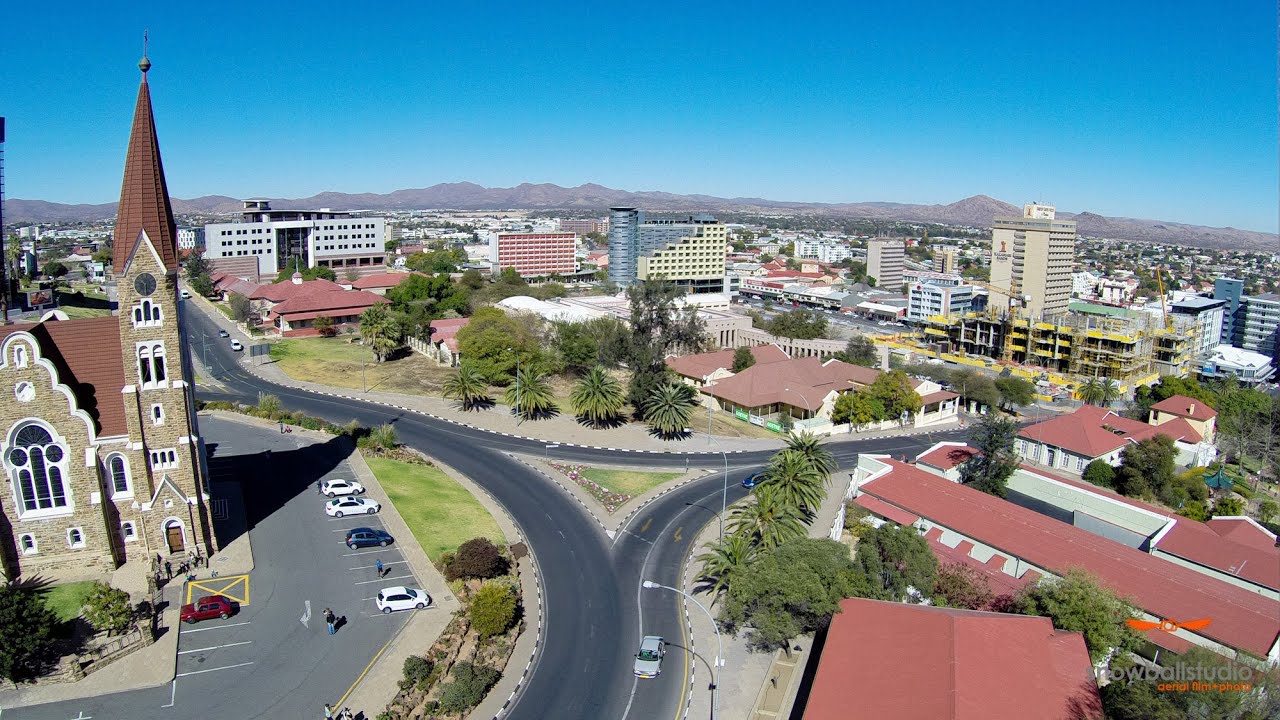
Namibia, located in Southern Africa and bordered by Angola, Botswana, and South Africa, is one of Africa’s most politically stable nations. The country offers vast opportunities in mining, agriculture, fisheries, tourism, logistics, and renewable energy. For both local entrepreneurs and foreign investors, Namibia provides a business environment that is transparent and welcoming, although it comes with specific compliance obligations.
This guide provides a detailed overview of how to set up a business in Namibia, including company registration procedures, tax regulations, and investment incentives.
Why Invest in Namibia?
Namibia offers a competitive investment landscape due to:
- Stable governance and legal framework that protects investors.
- Strategic location with access to ports, rail, and air transport for regional trade.
- Rich natural resources including diamonds, uranium, and fish stocks.
- Government incentives in priority sectors like manufacturing and renewable energy.
- Young and growing consumer market with increasing demand for goods and services.
Business Structures in Namibia
When starting a business in Namibia, investors can choose from several structures:
1. Sole Proprietorship
- Owned and run by one individual.
- Easy to start but carries unlimited liability.
2. Private Limited Company (Pty Ltd)
- The most common form of business.
- Requires at least one shareholder and one director.
- Limited liability protects owners’ personal assets.
3. Public Limited Company (Ltd)
- Suitable for larger enterprises that may want to list on the Namibian Stock Exchange.
- Requires at least seven shareholders.
4. Close Corporation (CC)
- Popular among small businesses.
- Requires between 1 and 10 members.
- Members are directly involved in managing the business.
5. Branch of a Foreign Company
- Allows an international company to operate in Namibia.
- Must be registered with the Business and Intellectual Property Authority (BIPA).
Steps to Register a Business in Namibia
Step 1: Reserve a Company Name
Reserve a unique name with BIPA (Business and Intellectual Property Authority).
Step 2: Prepare Founding Documents
Draft a memorandum and articles of association or founding statement for close corporations.
Step 3: Register the Business
Submit the documents to BIPA along with proof of identification and addresses of directors or members.
Step 4: Obtain Tax Identification Number (TIN)
Register with the Namibia Revenue Agency (NamRA) for tax compliance.
Step 5: Register for VAT (if applicable)
Businesses with taxable supplies above NAD 500,000 per year must register for Value Added Tax.
Step 6: Register for Social Security
Employers must register with the Social Security Commission (SSC) and enroll all employees.
Step 7: Apply for Relevant Licenses
Depending on the sector (e.g., mining, fisheries, tourism), additional licenses may be required.
Namibia Tax Regulations for Businesses
Corporate Income Tax
- Standard rate: 32% for most companies.
- Manufacturing companies enjoy a reduced rate of 18%.
- Mining companies pay a higher rate depending on the mineral type.
Value Added Tax (VAT)
- Standard rate: 15%.
- Applies to most goods and services.
- Some items like basic foodstuffs are zero-rated.
Withholding Taxes
- Dividends: 10% for non-residents.
- Royalties: 10%.
- Management and technical service fees: 10%.
Personal Income Tax
- Progressive rates up to 37% for individuals.
- Employers must deduct Pay-As-You-Earn (PAYE) tax from employees’ salaries.
Social Security Contributions
- Employer contribution: 0.9% of gross salary.
- Employee contribution: 0.9% of gross salary.
- Both subject to a wage ceiling.
Investment Incentives in Namibia
Namibia provides several incentives to encourage both local and foreign investment:
- Export Processing Zone (EPZ) Regime
- Companies in EPZs enjoy corporate tax exemption, VAT relief, and duty-free imports.
- Special Incentives for Manufacturers
- Reduced corporate tax rates, extra deductions for training expenses, and accelerated depreciation.
- Agriculture and Renewable Energy Support
- Incentives for irrigation projects, green energy investments, and eco-tourism.
- Double Taxation Agreements (DTAs)
- Namibia has DTAs with several countries to avoid double taxation.
Challenges of Doing Business in Namibia
Despite opportunities, investors should be aware of challenges such as:
- Relatively small market size with a population of about 2.5 million.
- High cost of utilities and transport, especially in rural areas.
- Skills shortages in certain industries.
- Lengthy bureaucratic procedures for licenses and permits.
Practical Tips for Investors
- Work with local consultants for smooth navigation of laws and licensing.
- Understand your tax obligations and deadlines to avoid penalties.
- Leverage incentives by registering in EPZs or targeting manufacturing and export sectors.
- Adopt good governance and compliance practices to build investor and customer confidence.
- Stay updated on policy changes as Namibia continues to reform its business environment.
Conclusion
Namibia offers a secure and investor-friendly environment for entrepreneurs seeking to enter the Southern African market. With clear company registration procedures, structured tax regulations, and government incentives, the country is well-positioned to attract investment across sectors. While challenges like high costs and limited market size exist, these can be mitigated through strategic planning, partnerships, and leveraging incentives. For entrepreneurs and foreign investors, Namibia remains a promising gateway to both domestic and regional opportunities.