Introduction
Botswana stands as one of the world’s top producers of high-quality diamonds. Since the discovery of diamonds in the country in 1967, the Botswana diamond industry has grown into a globally significant sector, contributing immensely to the nation’s GDP, exports, and employment. This article provides a complete overview of Botswana’s diamond industry — highlighting current trends, key players, government policies, and investment opportunities in 2025.
1. Historical Background of the Diamond Industry in Botswana
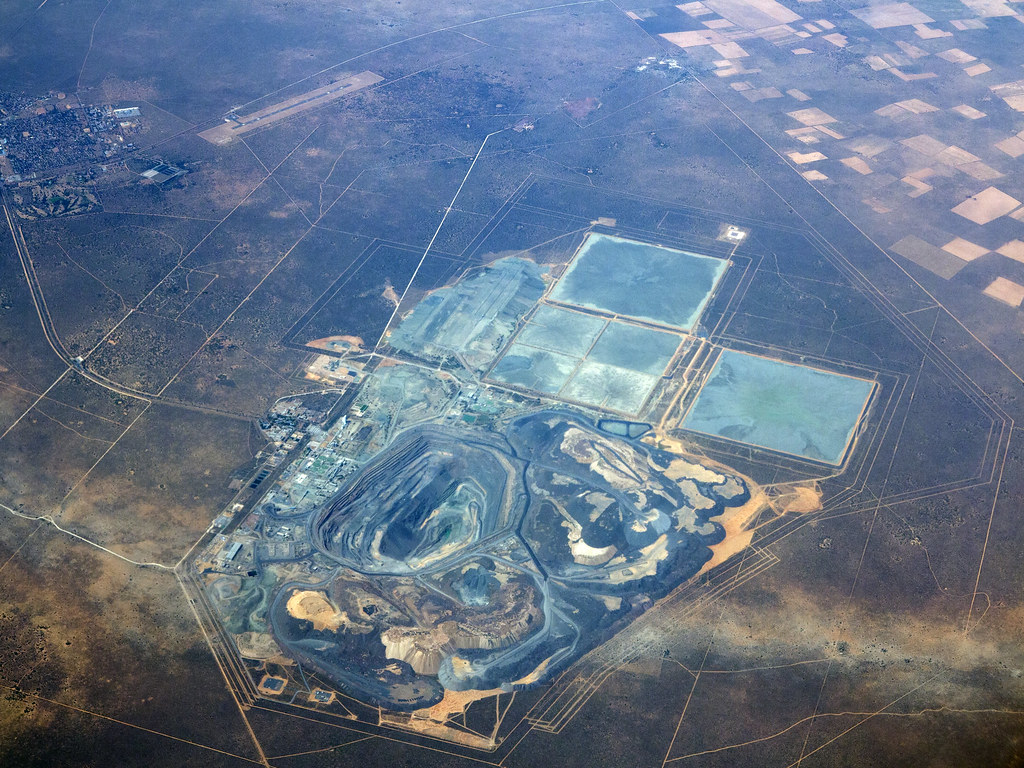
Botswana’s diamond journey began with the discovery of the Orapa Mine in 1967, just one year after independence. This was followed by the Jwaneng Mine in 1982, considered the richest diamond mine in the world by value.
The development of the diamond sector transformed Botswana from one of the poorest countries in Africa to a middle-income economy. Diamonds now account for:
- Over 80% of export earnings
- About 20% of GDP
- Roughly 30–40% of government revenue
The country’s success is often cited as a model for resource-based development.
2. Current State of the Botswana Diamond Industry (2025)
a. Leading Global Producer
As of 2025, Botswana remains the world’s second-largest diamond producer by value, after Russia. It produces around 24–25 million carats annually, primarily from three major mines:
- Jwaneng Mine – Operated by Debswana; one of the richest diamond mines globally.
- Orapa Mine – Also operated by Debswana; Botswana’s first and largest open-pit mine.
- Letlhakane Mine – A smaller but significant contributor.
b. Controlled by Debswana
The industry is dominated by Debswana Diamond Company, a 50/50 joint venture between the Government of Botswana and De Beers Group. Debswana handles the majority of production and is a pillar of the national economy.
c. Cutting and Polishing Industry
Although most rough diamonds are exported, Botswana is increasingly promoting in-country beneficiation — including cutting, polishing, and jewelry manufacturing. The Diamond Trading Company Botswana (DTCB), a joint venture between De Beers and the government, sells and sorts diamonds domestically before export or local processing.
3. Government Policy and Regulation
a. Strong Governance and Transparency
Botswana’s diamond industry is well-regulated, operating under a legal framework that emphasizes transparency, stability, and accountability. The government has consistently reinvested diamond revenues in education, infrastructure, and healthcare.
b. Key Regulatory Bodies
- Ministry of Minerals and Energy (MME)
- Botswana Unified Revenue Service (BURS)
- Diamond Hub – Promotes local value addition and training.
- Okavango Diamond Company (ODC) – 100% government-owned; markets Botswana’s share of rough diamonds independently of De Beers.
c. Kimberley Process Certification Scheme
Botswana adheres to the Kimberley Process, ensuring all diamonds are conflict-free and ethically sourced. This boosts investor and buyer confidence in Botswana-sourced diamonds.
4. Economic Impact of the Diamond Sector
The diamond sector has been pivotal in Botswana’s development story.
Key Contributions:
- Infrastructure Development: Diamond revenues have funded roads, airports, schools, and hospitals.
- Foreign Exchange Earnings: Diamonds account for over 80% of total exports.
- Employment: Direct and indirect employment in mining, cutting and polishing, and ancillary services.
- Human Capital Development: Revenue has financed free primary education and subsidized secondary/tertiary education.
5. Value Addition and Downstream Activities
The Botswana government is actively encouraging downstream development to capture more value within the country.
a. Diamond Cutting and Polishing
Several cutting and polishing factories operate in Gaborone, employing thousands of locals. Major players include:
- Shrenuj Botswana
- KGK Diamonds
- Leo Schachter
- Dalumi Group
b. Jewelry Manufacturing
Botswana aims to grow its jewelry sector by offering incentives for companies to manufacture and export Botswana-branded diamond jewelry, enhancing the country’s global image as more than a raw exporter.
c. Diamond Academy & Training
Initiatives like the Botswana Diamond Academy offer vocational training to equip locals with the skills needed in diamond grading, jewelry design, and manufacturing.
6. International Trade and Exports
a. Diamond Trading Company Botswana (DTCB)
DTCB handles the aggregation, sorting, and valuation of diamonds. It works with De Beers to ensure Botswana’s diamonds reach global markets.
b. Okavango Diamond Company (ODC)
ODC is a government-owned rough diamond marketing company that sells its allocation (15–25% of Debswana production) through open tenders. This diversifies Botswana’s sales channels and increases transparency.
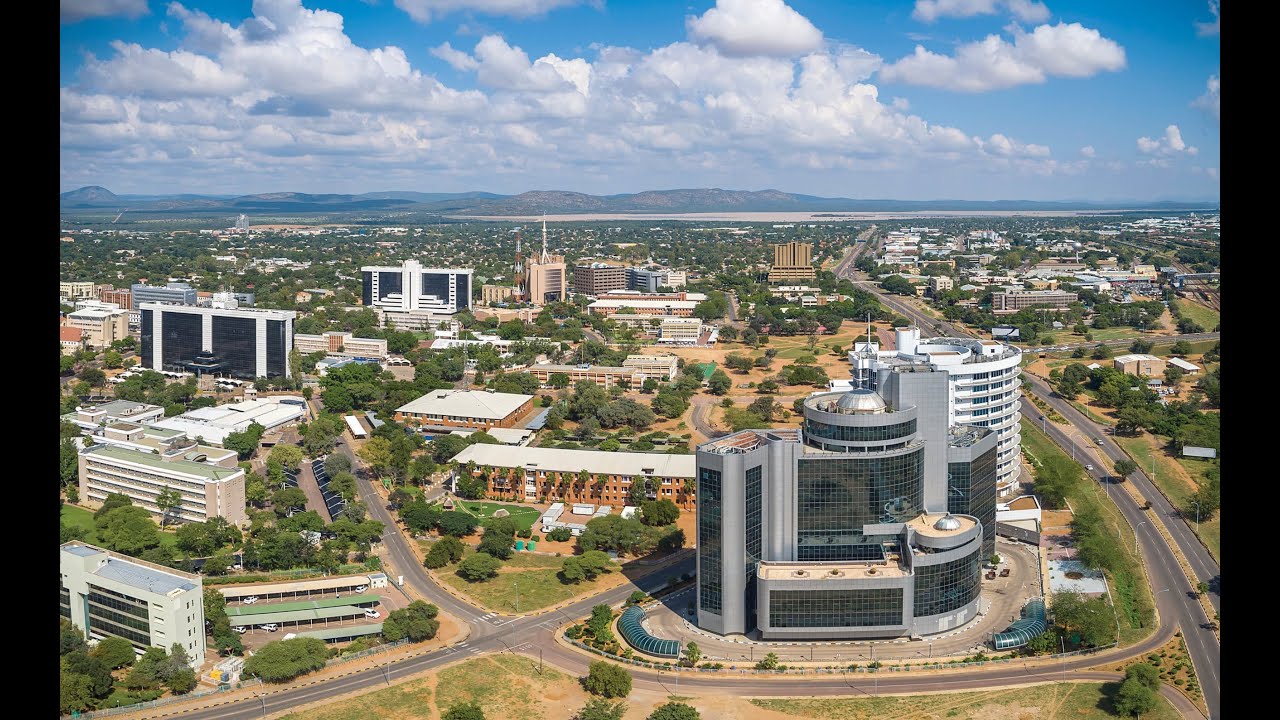
c. Gaborone as a Global Diamond Hub
In 2013, De Beers relocated its diamond sales headquarters from London to Gaborone, reinforcing Botswana’s position as a global diamond trading center.
7. Key Trends in Botswana’s Diamond Industry (2025)
a. Shift Towards Sustainable Mining
The diamond industry in Botswana is adopting green mining practices to reduce environmental impact. This includes:
- Water recycling
- Renewable energy usage
- Mine rehabilitation and closure plans
b. Digital Transformation
Technologies such as AI-based diamond sorting, blockchain for diamond traceability, and remote mine monitoring are gaining traction.
c. Rise of Lab-Grown Diamonds
While lab-grown diamonds pose a market challenge, Botswana remains focused on leveraging its natural diamond heritage and reputation for ethical sourcing.
d. Diversification Efforts
Botswana is actively using diamond revenues to diversify the economy into sectors like:
- Tourism
- Agriculture
- Financial services
- Manufacturing
8. Investment Opportunities in Botswana’s Diamond Sector
a. Diamond Beneficiation
Opportunities exist in cutting, polishing, jewelry design, and retail — especially for companies bringing new technologies or skills.
b. Technology and Automation
Botswana welcomes investment in diamond processing machinery, AI systems, and supply chain digitization.
c. Support Services
Foreign companies can invest in mining support services such as:
- Equipment leasing
- Security
- Logistics
- HR and training
d. Sustainable and Ethical Brands
There is demand for businesses that align with ESG principles — offering sustainable, traceable, and locally sourced diamond products.
9. Challenges Facing the Industry
While Botswana’s diamond sector is robust, it faces several challenges:
- Market Volatility: Global diamond prices fluctuate based on demand, especially from markets like China and India.
- Environmental Concerns: Mining has ecological impacts; mitigation measures can be costly.
- Dependence on Diamonds: Over-reliance on diamonds for revenue is a long-term economic risk.
- Skills Gap: Shortage of advanced technical skills in beneficiation and jewelry manufacturing.
The government’s response includes economic diversification plans and investment in skills training.
Conclusion
The Botswana diamond industry is a global success story — built on transparency, sound governance, and visionary leadership. In 2025, the industry continues to evolve, with growing focus on sustainability, value addition, and downstream integration. Whether you’re a miner, manufacturer, or trader, Botswana offers a stable, resource-rich, and investor-friendly environment for those looking to enter the diamond sector.
Investors, policymakers, and stakeholders have a unique opportunity to be part of Botswana’s ongoing transformation — from a raw diamond exporter to a globally recognized diamond trading and manufacturing hub.