Introduction
Africa has long been regarded as a land of untapped potential, but in recent years, that narrative has shifted into reality. With over 1.4 billion people, a rapidly growing middle class, rich natural resources, and increasing digital adoption, Africa has become one of the most attractive investment destinations worldwide.
However, not all industries provide equal opportunities. Investors need to identify the best sectors to invest in Africa to maximize returns while managing risk. In this article, we highlight the leading industries that are transforming Africa’s economic future and offer the highest potential for foreign and local investment.
1. Agriculture – Africa’s Green Gold
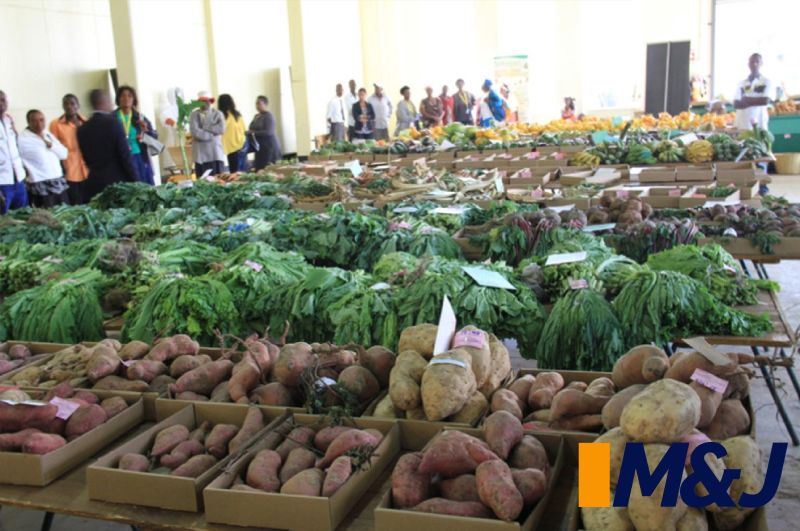
Agriculture is the backbone of most African economies, employing more than 60 percent of the population. Despite its importance, the sector remains largely underdeveloped, creating massive opportunities for investment.
Why agriculture is a top sector:
- Food demand growth: By 2050, Africa’s population will double, driving higher demand for food.
- Export potential: Africa has 60 percent of the world’s uncultivated arable land.
- Value chain gaps: Opportunities exist not just in farming but also in storage, processing, and distribution.
Investment opportunities include: commercial farming, agro-processing, food storage facilities, irrigation technologies, and agri-tech platforms. Countries like Nigeria, Kenya, and Zambia are leading hubs for agricultural investment.
2. Renewable Energy – Powering Africa’s Future
Energy access remains one of Africa’s biggest challenges. Over 600 million Africans lack electricity, making renewable energy one of the most profitable and impactful investment areas.
Why renewable energy is booming:
- Government incentives: Many African nations offer tax breaks and subsidies for renewable projects.
- Abundant resources: From solar in the Sahara to hydropower in East Africa, renewable potential is massive.
- Green investment appeal: Global investors are increasingly targeting sustainable projects.
Key opportunities: solar power plants, mini-grids for rural electrification, wind farms, and biomass energy. Countries such as South Africa, Morocco, and Kenya are already regional leaders.
3. Technology and Fintech – Africa’s Digital Revolution
With mobile penetration exceeding 80 percent, Africa is experiencing a digital transformation. Fintech, in particular, has become one of the fastest-growing investment sectors.
Why fintech is thriving:
- Mobile money success: Platforms like M-Pesa in Kenya have transformed financial inclusion.
- Underserved market: Nearly 350 million Africans remain unbanked.
- Strong funding growth: African fintech startups raised billions in venture capital in recent years.
Investment areas: payment solutions, lending platforms, digital banking, insurance tech, and blockchain solutions. Nigeria, Kenya, and Egypt are fintech hotspots.
4. Real Estate and Infrastructure – Building Tomorrow’s Cities
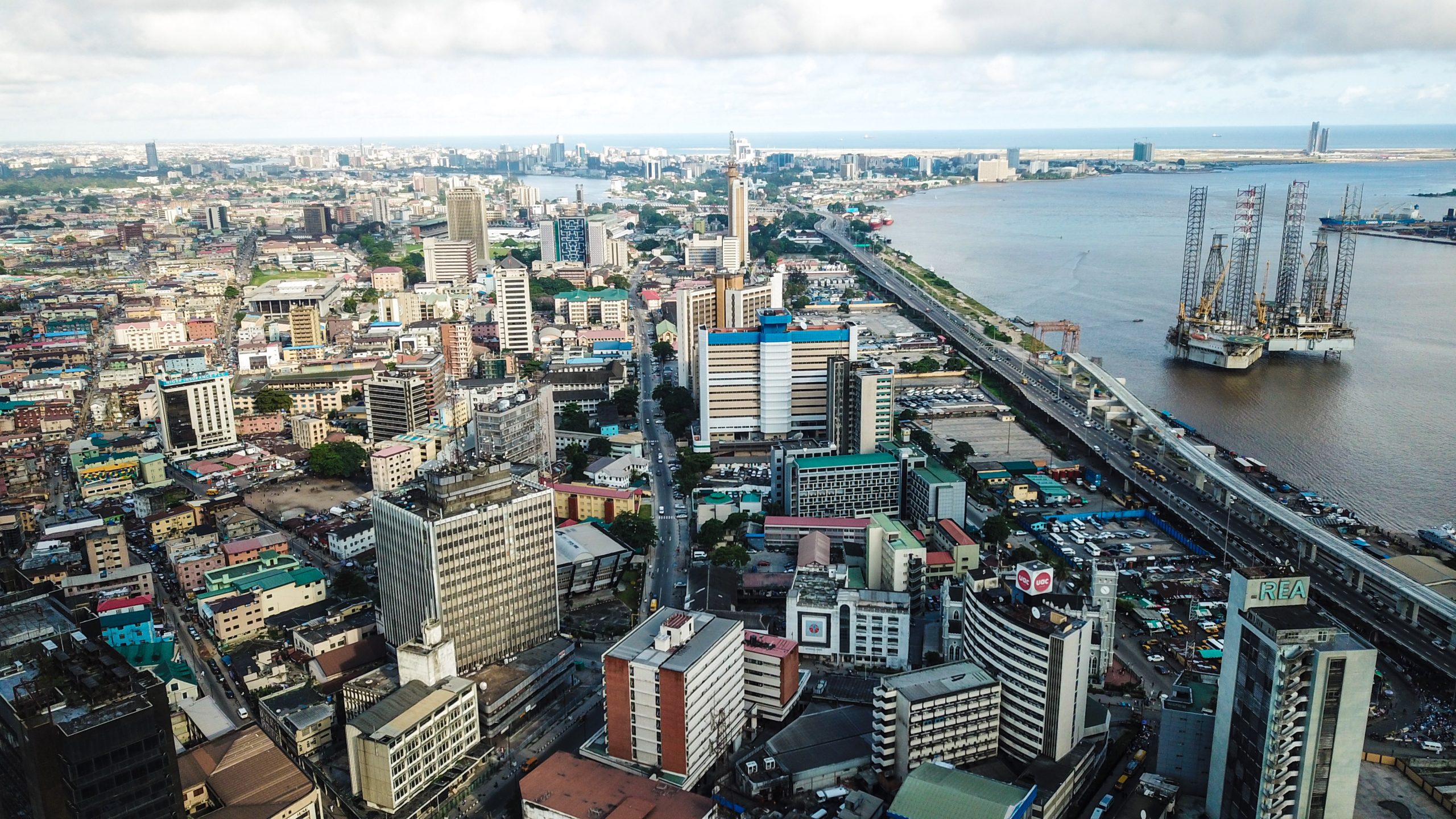
Africa is undergoing rapid urbanization. By 2050, more than 60 percent of Africans will live in cities, creating demand for housing, commercial spaces, and modern infrastructure.
Why real estate is promising:
- Housing shortages: Urban centers face significant housing deficits.
- Rising middle class: Demand for affordable and luxury housing is increasing.
- Infrastructure needs: Roads, ports, airports, and industrial parks are in high demand.
Investment opportunities: affordable housing projects, shopping malls, industrial real estate, office complexes, and smart city developments. Ethiopia, Nigeria, and South Africa lead in urban development growth.
5. Mining and Natural Resources – Africa’s Resource Wealth
Africa is home to some of the world’s largest reserves of gold, platinum, cobalt, diamonds, and rare earth minerals essential for modern technology.
Why mining remains attractive:
- Critical minerals demand: Electric vehicle and battery production drive demand for cobalt, lithium, and copper.
- Global dependence: Countries like China rely heavily on Africa’s resource supply.
- Government reforms: Several African nations have updated mining policies to attract foreign direct investment.
Investment areas: exploration, mining operations, mineral processing, and export logistics. The Democratic Republic of Congo, South Africa, and Zambia are key markets.
6. Healthcare – Meeting Growing Demand
Healthcare spending in Africa is projected to exceed $259 billion by 2030. The pandemic highlighted the urgent need for stronger health systems and infrastructure.
Why healthcare is an investment hotspot:
- Rising population: More people means higher demand for healthcare services.
- Private sector opportunities: Public systems often lack capacity, creating room for private clinics and hospitals.
- Medical technology: Digital health platforms and telemedicine are gaining traction.
Opportunities include: private hospitals, pharmaceutical production, medical equipment supply, and telehealth solutions. Nigeria, South Africa, and Kenya lead in healthcare investment demand.
7. Tourism and Hospitality – Africa’s Natural Advantage
Africa is home to some of the world’s most iconic tourist destinations, from Victoria Falls to the Serengeti. Although the industry was hit hard by the pandemic, recovery is underway.
Why tourism is attractive:
- Natural attractions: Unique wildlife, beaches, and cultural heritage sites.
- Growing domestic tourism: More Africans are traveling within the continent.
- Infrastructure investment: Governments are prioritizing airports, roads, and resorts.
Investment opportunities: eco-tourism lodges, luxury resorts, travel tech platforms, and adventure tourism. Countries like Tanzania, South Africa, and Egypt remain top choices.
8. Manufacturing – Africa’s Industrial Rise
As global supply chains diversify, Africa is positioning itself as the next hub for light manufacturing and industrialization.
Why manufacturing is growing:
- Trade agreements: The African Continental Free Trade Area (AfCFTA) allows easier market access across borders.
- Rising labor force: Africa will have the world’s largest workforce by 2035.
- Import substitution: Local production reduces reliance on expensive imports.
Investment areas: textiles, consumer goods, automotive assembly, construction materials, and agro-processing. Ethiopia, Egypt, and Morocco are emerging manufacturing leaders.
Risks and Considerations
While Africa offers vast opportunities, investors must consider:
- Political stability – Regulations and policies vary across countries.
- Infrastructure gaps – Logistics and transport challenges can affect operations.
- Currency risks – Exchange rate volatility is common.
- Due diligence – Partnering with credible local businesses is essential.
Conclusion
Africa is no longer just a frontier market—it is the future of global growth. From agriculture and renewable energy to fintech and real estate, the continent offers diverse opportunities for investors seeking high returns and long-term growth.
The best sectors to invest in Africa are those that address essential needs—food, energy, housing, healthcare, and financial services—while leveraging Africa’s unique resources and youthful population.
For investors willing to navigate challenges with strategic partnerships and market insights, Africa presents not just risks, but rewards that can shape the future of global business.