
Introduction: The Growth Story No One Is Pricing Correctly
In 2025, a striking reality emerged:
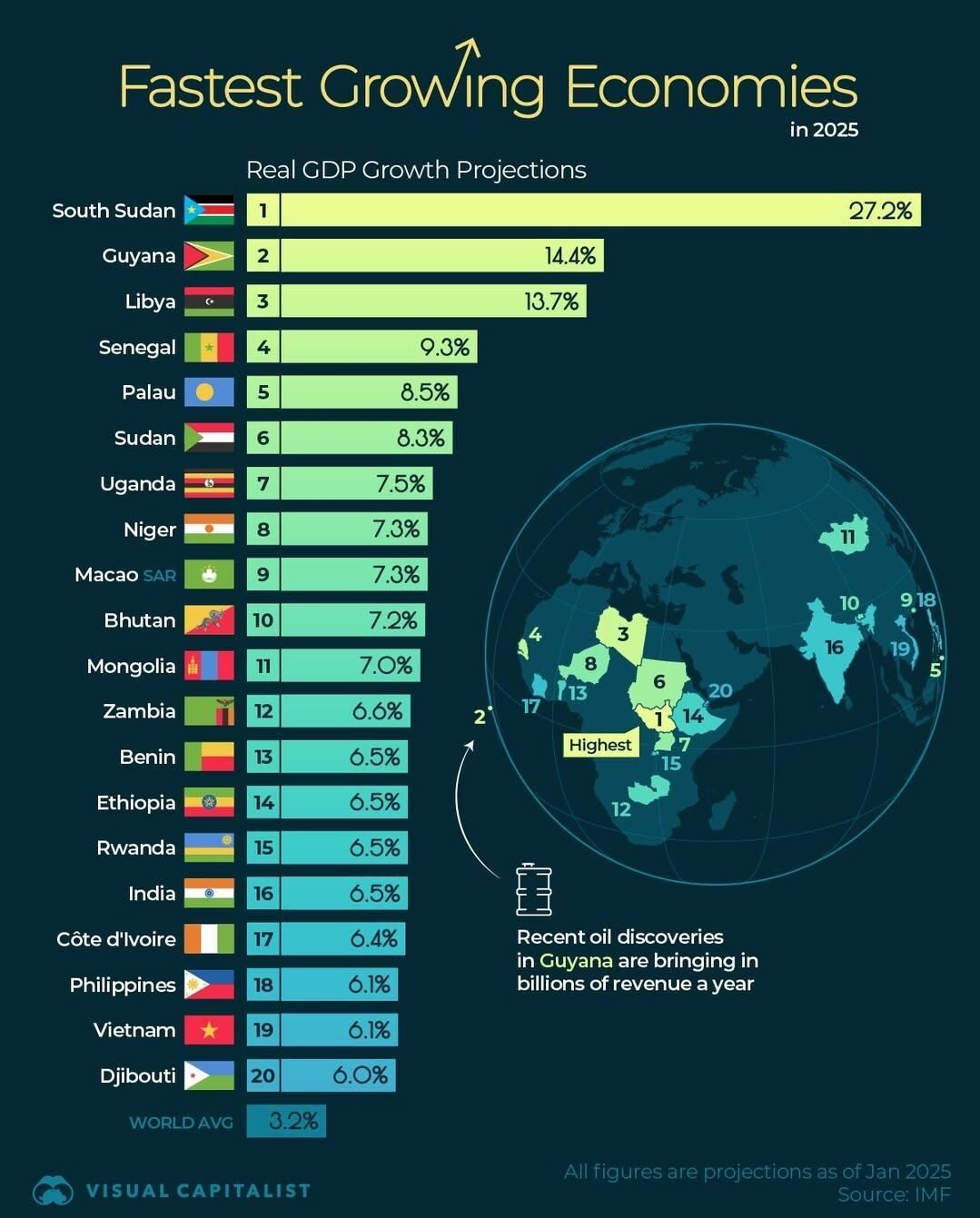
12 of the world’s 20 fastest-growing economies are in Africa.
And yet, global perception hasn’t caught up.
Across boardrooms in London, New York, and Singapore, Africa is still often viewed through an outdated lens:
- High risk
- Low returns
- Structural instability
The data tells a different story.
The gap between perception and reality is now one of the most significant investment opportunities in global markets.
1. Growth Is No Longer Isolated, It’s Systemic
Africa’s growth is no longer driven by a handful of resource economies.
It is broad-based and increasingly diversified across:
- Technology
- Services
- Infrastructure
- Energy transition sectors
Countries such as Rwanda, Senegal, Ivory Coast, and Ethiopia are demonstrating sustained, multi-year growth trajectories.
This is not a one-off rebound, it is a structural shift.
2. Why the World Still Hasn’t Noticed
If the growth is real, why isn’t capital flowing at scale?
1. Narrative Lag
Global investment narratives are slow to update.
Africa is still often defined by:
- Historical instability
- Select crisis events
- Outdated macro assumptions
2. Risk Generalisation
Investors frequently treat Africa as a single market.
In reality:
There is a greater difference between Botswana and Mozambique than between many European economies.
Yet capital often prices them similarly.
3. Information Gaps
Compared to developed markets:
- Data is less accessible
- Market intelligence is fragmented
- Deal visibility is lower
This creates friction—even when opportunities are strong.
3. The Opportunity: Mispriced Growth
This disconnect creates a powerful dynamic:
High growth + low global attention = mispriced assets
For investors, that means:
- Lower entry valuations
- Higher potential returns
- First-mover advantages in emerging sectors
4. Where the Growth Is Coming From
1. Demographics
Africa has:
- The world’s youngest population
- Rapid urbanisation
- Expanding consumer markets
2. Digital Leapfrogging
Countries are bypassing legacy systems:
- Mobile money ecosystems
- Digital identity frameworks
- Platform-based services
3. Regional Integration
Frameworks like the African Continental Free Trade Area are:
- Expanding market size
- Reducing trade barriers
- Enabling cross-border scale
4. Infrastructure Investment
Energy, transport, and logistics investments are:
- Unlocking productivity
- Connecting markets
- Supporting industrial growth
5. The Real Constraint: Capital, Not Opportunity
Africa does not lack:
- Ideas
- Demand
- Growth potential
It lacks:
sufficient, well-structured capital deployment
This is why many high-growth markets remain:
- Underfunded
- Underserved
- Undervalued
6. What Smart Investors Are Doing Differently
The most successful investors are not waiting for perception to change.
They are:
- Building local partnerships
- Taking long-term positions
- Structuring around risk rather than avoiding it
- Focusing on sectors with structural demand
They understand:
By the time the narrative changes, the best opportunities are gone.
7. The Strategic Mistake: Waiting for “Clarity”
Many global investors delay entry, waiting for:
- Perfect data
- Fully de-risked environments
- Consensus validation
In emerging markets, that moment rarely comes.
And when it does:
The upside has already been captured.
Call to Action: Don’t Follow the Narrative, Follow the Data
If 12 of the world’s fastest-growing economies are African, the question is no longer whether the opportunity exists.
It is:
Why are you not positioned yet?
Start with:
- Identifying high-growth, reform-driven markets
- Partnering with local experts
- Structuring investments to manage, not avoid risk
- Taking a long-term view
Because in global investing, the biggest returns often come from what others have not yet understood.
Conclusion: The Market Is Moving, Quietly
Africa’s growth story is not emerging, it is already underway.
The disconnect is not in performance. It is in perception.
Those who recognize this early will benefit from:
- Mispriced assets
- First-mover advantages
- Structural growth
Those who don’t will eventually arrive, but at a much higher price.