
Introduction
Africa has long been a global supplier of raw materials, exporting unprocessed minerals and agricultural commodities to international markets where value is added elsewhere. This model has generated revenue, but it has also limited the continent’s ability to capture higher margins, create jobs, and build industrial capacity.
Today, that narrative is beginning to shift.
Across the continent, a growing focus on value addition, particularly in mineral processing and agribusiness, is opening up a new generation of entrepreneurial and investment opportunities. The move from raw exports to refined products is no longer just a policy ambition; it is becoming a competitive necessity.
The Structural Problem: Exporting Value, Importing Cost
Historically, African economies have operated within a familiar pattern:
- Export raw minerals (copper, lithium, gold)
- Export unprocessed agricultural products (maize, soybeans, coffee)
- Import finished goods at higher prices
This creates:
- Limited industrialization
- Lower profit margins
- Reduced job creation
- Vulnerability to commodity price fluctuations
Entrepreneurs who position themselves within value-added stages of the supply chain can capture significantly higher returns.
Why Value Addition Is Gaining Momentum
Several structural shifts are driving this transition:
1. Government Policy Shifts
Across Africa, governments are increasingly prioritizing:
- Local beneficiation of minerals
- Agro-processing industries
- Export diversification
- Industrialization strategies
2. Global Supply Chain Reconfiguration
Companies are seeking:
- Shorter, more resilient supply chains
- Diversified sourcing locations
- Local processing partnerships
This creates opportunities for African producers to move up the value chain.
3. Rising Domestic and Regional Demand
Urbanization and population growth are increasing demand for:
- Processed foods
- Manufactured goods
- Construction materials
4. Support from Institutions
Organizations such as the African Development Bank are actively supporting industrialization and value chain development through financing and policy support.
Mineral Processing: Moving Beyond Extraction
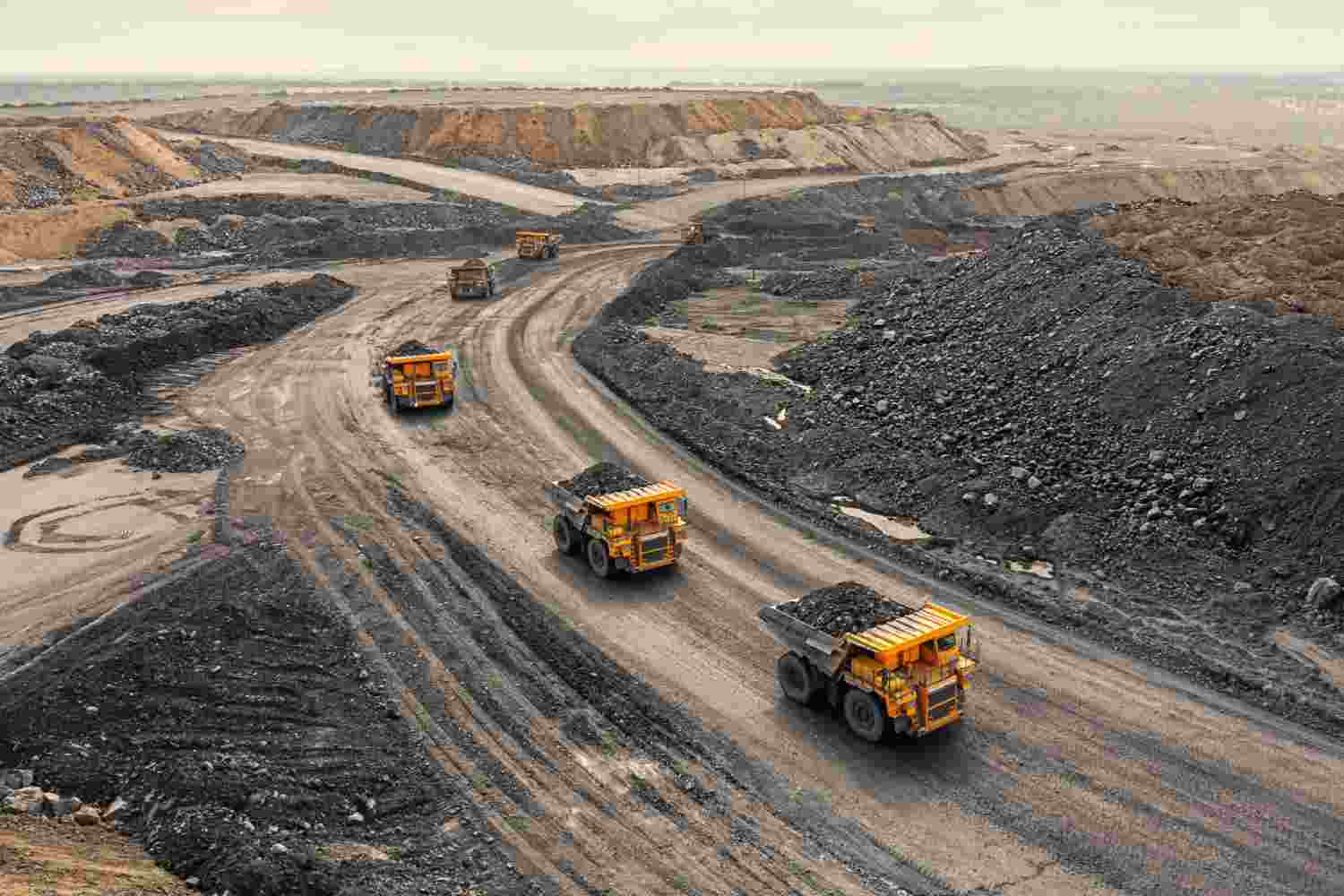
Africa holds a significant share of the world’s mineral resources, yet much of the value is captured offshore.
Key Opportunities in Mineral Value Chains
1. Lithium and Battery Minerals
With the global shift toward electric vehicles and renewable energy, demand for battery materials is rising.
Opportunities include:
- Lithium processing plants
- Battery component manufacturing
- Refining facilities
2. Copper and Industrial Metals
Countries like Zambia and the DRC are major copper producers.
Entrepreneurial opportunities exist in:
- Smelting and refining
- Wire and cable manufacturing
- Industrial component production
3. Gold and Precious Metals
Value addition can include:
- Refining and purification
- Jewelry manufacturing
- Branding and export of finished products
Agribusiness: From Farm to Finished Product
Agriculture is one of Africa’s largest economic sectors, yet much of its output remains unprocessed.
High-Potential Agribusiness Value chains
1. Grain Processing
Instead of exporting raw maize or wheat, opportunities include:
- Flour milling
- Packaged food production
- Animal feed manufacturing
2. Oilseed Processing
Soybeans, sunflower, and groundnuts can be processed into:
- Cooking oil
- Industrial oils
- By-products for livestock feed
3. Horticulture and Fresh Produce
Value addition includes:
- Packaging and branding
- Cold storage and logistics
- Juice and concentrate production
4. Coffee, Tea, and Specialty Crops
Instead of exporting raw beans:
- Roasting and packaging
- Branding for export markets
- Direct-to-consumer models
The Economics of Value Addition
Moving up the value chain significantly increases margins.
For example:
- Raw commodity exports: low margins, high volume
- Processed goods: higher margins, differentiated pricing
- Branded products: premium pricing and market control
Value addition also creates:
- Jobs
- Industrial capacity
- Export diversification
Key Challenges Entrepreneurs Must Navigate
Capital Intensity
Processing facilities require:
- Equipment investment
- Infrastructure
- Working capital
Energy and Infrastructure Constraints
Reliable electricity and logistics are critical for:
- Manufacturing processes
- Cold storage systems
- Transport efficiency
Market Access
Selling refined products requires:
- Distribution networks
- Branding strategies
- Compliance with international standards
Technical Expertise
Processing industries often require:
- Skilled labor
- Technical knowledge
- Quality control systems
Structuring Opportunities for Success
Entrepreneurs who succeed in value chains typically focus on:
1. Strategic Partnerships
- Joint ventures with technical partners
- Collaboration with suppliers and distributors
2. Phased Investment Approach
- Start with small-scale processing
- Scale based on demand and capacity
3. Offtake Agreements
- Secure buyers before scaling production
- Reduce revenue uncertainty
4. Blended Finance Models
- Combine equity, debt, and development finance
- Reduce risk exposure
Regional Integration as a Growth Driver
Trade frameworks such as the African Continental Free Trade Area (AfCFTA) are expanding market access across the continent.
This allows entrepreneurs to:
- Scale beyond domestic markets
- Access regional supply chains
- Build export-oriented businesses
The Strategic Shift: From Commodity Supplier to Value Creator
Africa’s economic transformation depends on shifting from:
- Exporting raw materials to
- Producing and exporting finished goods
Entrepreneurs are central to this transition.
Conclusion
The move from raw to refined is one of the most significant economic opportunities in Africa today.
Mineral processing and agribusiness value chains offer:
- Higher margins
- Scalable business models
- Industrial growth potential
However, success requires more than opportunity, it requires:
- Strategic structuring
- Capital discipline
- Market alignment
Call to Action
If you are looking to build or invest in Africa, focus on where value is created, not just where resources are extracted.
Identify:
- Gaps in processing capacity
- Underserved value chain segments
- Opportunities for branding and export
The future of African business lies not in what it produces, but in how much value it captures.


.jpg)