
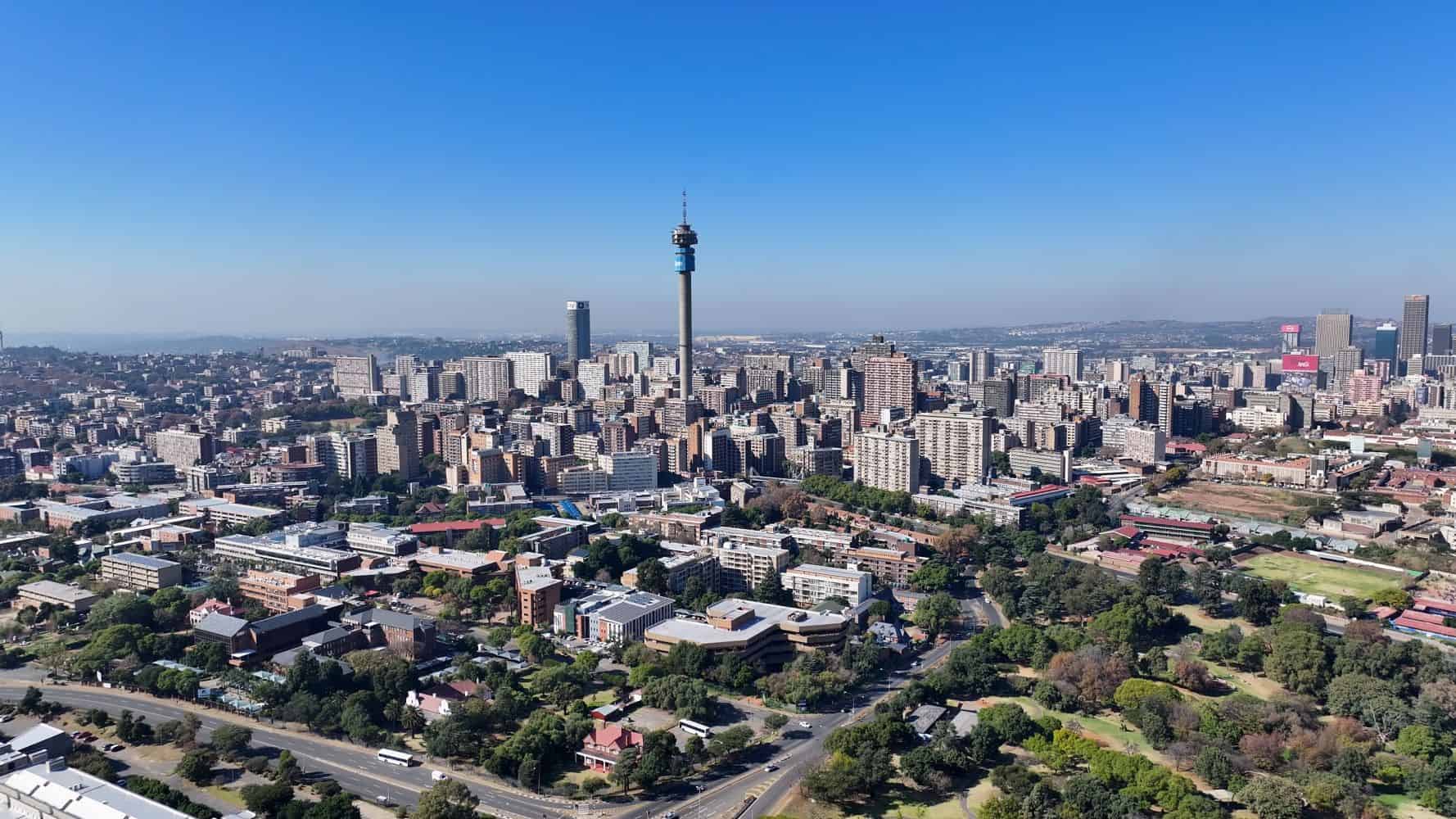
South Africa stands at a critical point in its economic and political trajectory. As one of the most industrialised nations in Africa, it continues to attract foreign investors seeking access to both its domestic and regional markets. Yet, beneath its opportunities lie significant structural challenges that investors must carefully evaluate.
This analysis provides an overview of South Africa’s current political and economic landscape, identifying key risks, potential rewards, and strategies to help investors make informed decisions.
1. The Current Economic Climate
South Africa’s economy remains resilient despite ongoing structural constraints. In recent years, economic growth has hovered between 1% and 1.6%, reflecting limited expansion in consumer demand, persistent unemployment, and infrastructure inefficiencies.
Key Economic Indicators
- GDP Growth: Modest and uneven, mainly supported by financial services, agriculture, and manufacturing.
- Inflation: Gradually easing after peaking in previous years, allowing for potential interest rate cuts by the South African Reserve Bank (SARB).
- Exchange Rate: The rand remains volatile, influenced by global sentiment, commodity prices, and domestic politics.
- Fiscal Policy: The government continues to face challenges managing public debt and maintaining fiscal discipline.
Investor Insight: While growth is slow, South Africa’s diverse economy and developed financial sector still provide a stable foundation for long-term investment—especially when compared with other emerging markets.
2. Political Risk Landscape
Politics remain a major factor in South Africa’s investment environment. The country operates a stable constitutional democracy, but recent coalition politics and internal party divisions have introduced uncertainty in policy direction.
Key Political Risks
- Policy Uncertainty: Investors are concerned about regulatory unpredictability in sectors such as energy, mining, and land reform.
- Governance Challenges: Corruption scandals and mismanagement in state-owned enterprises (notably Eskom and Transnet) continue to affect confidence.
- Labour Unrest: Periodic strikes in mining, manufacturing, and logistics disrupt productivity.
- Coalition Politics: As the political landscape becomes more fragmented, forming stable government coalitions may prove difficult, slowing policy implementation.
Investor Insight: Political risk in South Africa tends to be cyclical rather than structural. Investors should monitor changes in leadership and policy but recognise that the underlying democratic institutions remain strong.
3. Fiscal and Monetary Policy Outlook
South Africa’s fiscal health remains one of its biggest vulnerabilities. Rising debt levels and constrained revenue growth continue to pressure public finances. The government faces a difficult balance between social spending and infrastructure investment.
On the monetary side, the South African Reserve Bank maintains a reputation for independence and prudence. With inflation moderating, the SARB is likely to gradually lower interest rates, which could stimulate private investment and consumer demand.
Key Fiscal and Monetary Trends
- Public Debt: Debt-to-GDP ratio remains high, limiting fiscal flexibility.
- Tax Revenue: Slow growth in revenue collection compared to expenditure.
- Interest Rates: Expected to ease slightly in the near term.
- Investor Confidence: Strengthened by the SARB’s credible monetary policy.
Investor Insight: Fiscal consolidation and improved efficiency in state-owned enterprises are vital to restoring long-term investor confidence.
4. Energy and Infrastructure Challenges
Energy reliability remains one of the country’s most pressing operational risks. Despite some progress, load shedding (power outages) continues to disrupt production and increase business costs. Eskom, the state power utility, is undergoing restructuring to introduce more private-sector participation.
South Africa also faces logistical challenges, including port congestion and rail inefficiencies, particularly affecting the mining and manufacturing sectors.
Infrastructure Outlook
- Energy Transition: Growing opportunities in renewable energy as the government prioritises sustainability and private investment in generation capacity.
- Transport: Reforms in ports and rail aimed at improving export efficiency.
- Digital Infrastructure: Expansion of broadband and ICT creating new business opportunities in fintech and e-commerce.
Investor Insight: Businesses in energy, infrastructure, and logistics are well-positioned to benefit from ongoing public and private reforms—provided they can manage operational risks effectively.
5. Social and Labour Considerations
South Africa has one of the highest unemployment rates in the world, hovering around 30%. Income inequality remains stark, and social pressure for economic inclusion continues to influence government policy.
Labour Market Risks
- Strikes and Protests: Periodic disruptions can affect industrial operations.
- Wage Negotiations: Strong trade unions influence labour costs.
- Skills Gap: While there is a large labour pool, there is a shortage of highly skilled professionals in key sectors such as technology and engineering.
Investor Insight: To mitigate social and labour risks, investors should prioritise fair employment practices, local training programs, and compliance with B-BBEE (Broad-Based Black Economic Empowerment) requirements.
6. Opportunities Amid Risks
Despite the challenges, South Africa offers unique advantages that continue to attract both regional and global investors.
Key Growth Opportunities
- Renewable Energy: Government incentives and private investment are accelerating solar, wind, and green hydrogen projects.
- Manufacturing: Opportunities in automotive, pharmaceuticals, and food processing driven by export potential.
- Financial Services: South Africa remains Africa’s financial hub, with robust banking, insurance, and fintech ecosystems.
- Technology and Innovation: Rapid digital transformation is fueling e-commerce, mobile payments, and startup growth.
- Regional Gateway: South Africa serves as a springboard into the SADC region, offering access to over 350 million consumers.
Investor Insight: The country’s competitive advantage lies in its infrastructure, financial sophistication, and access to regional markets.
7. Scenario Analysis for the Next 24 Months
Base Case (Most Likely)
Economic growth remains steady around 1.5%, with moderate policy reforms and fewer energy disruptions. The rand remains volatile but stable within expected ranges.
Optimistic Scenario
Stronger reform momentum in energy and logistics leads to improved investor confidence. Growth rises above 2%, and South Africa begins to rebuild its credit ratings.
Pessimistic Scenario
Fiscal slippage, renewed power shortages, or political instability cause capital flight and currency depreciation, reducing investor appetite.
Investor Insight: The base case remains the most probable, but investors should stress-test financial models under both optimistic and pessimistic assumptions.
8. Key Risk Management Strategies for Investors
- Diversify Exposure: Balance investments across multiple sectors to reduce dependence on single-industry performance.
- Hedge Currency Risk: Use hedging instruments to mitigate rand volatility.
- Engage Local Partners: Build relationships with reputable South African firms to navigate local regulations and enhance B-BBEE compliance.
- Monitor Policy Developments: Keep track of government budget statements, central bank policies, and legislative updates.
- Invest in Sustainability: Focus on ESG (Environmental, Social, and Governance) principles to align with South Africa’s development priorities.
Investor Insight: Risk in South Africa is manageable with proper due diligence, local partnerships, and strong governance frameworks.
9. The Long-Term Outlook
In the long term, South Africa’s investment environment will depend on structural reforms, political stability, and energy reliability. While short-term risks remain, the country’s strong financial institutions, natural resource wealth, and entrepreneurial potential provide a solid foundation for recovery and growth.
Positive Indicators for the Future:
- Advancing renewable energy policies.
- Growing private-sector participation in infrastructure.
- Strong banking and financial systems.
- Expanding trade links within Africa through the African Continental Free Trade Area (AfCFTA).
Investor Insight: Long-term investors who take a strategic, locally integrated approach will likely benefit from South Africa’s gradual transformation.
10. Conclusion
South Africa’s political and economic landscape presents a mixed picture—characterised by both persistent risks and significant opportunities. While slow growth, political uncertainty, and infrastructure challenges remain hurdles, the country’s strong institutions, resource base, and regional influence continue to attract investors.
To succeed, investors must combine risk management, localisation, and strategic patience. Those who enter with a clear understanding of the risks and a long-term commitment to South Africa’s reform journey can position themselves for meaningful returns in one of Africa’s most vital markets.