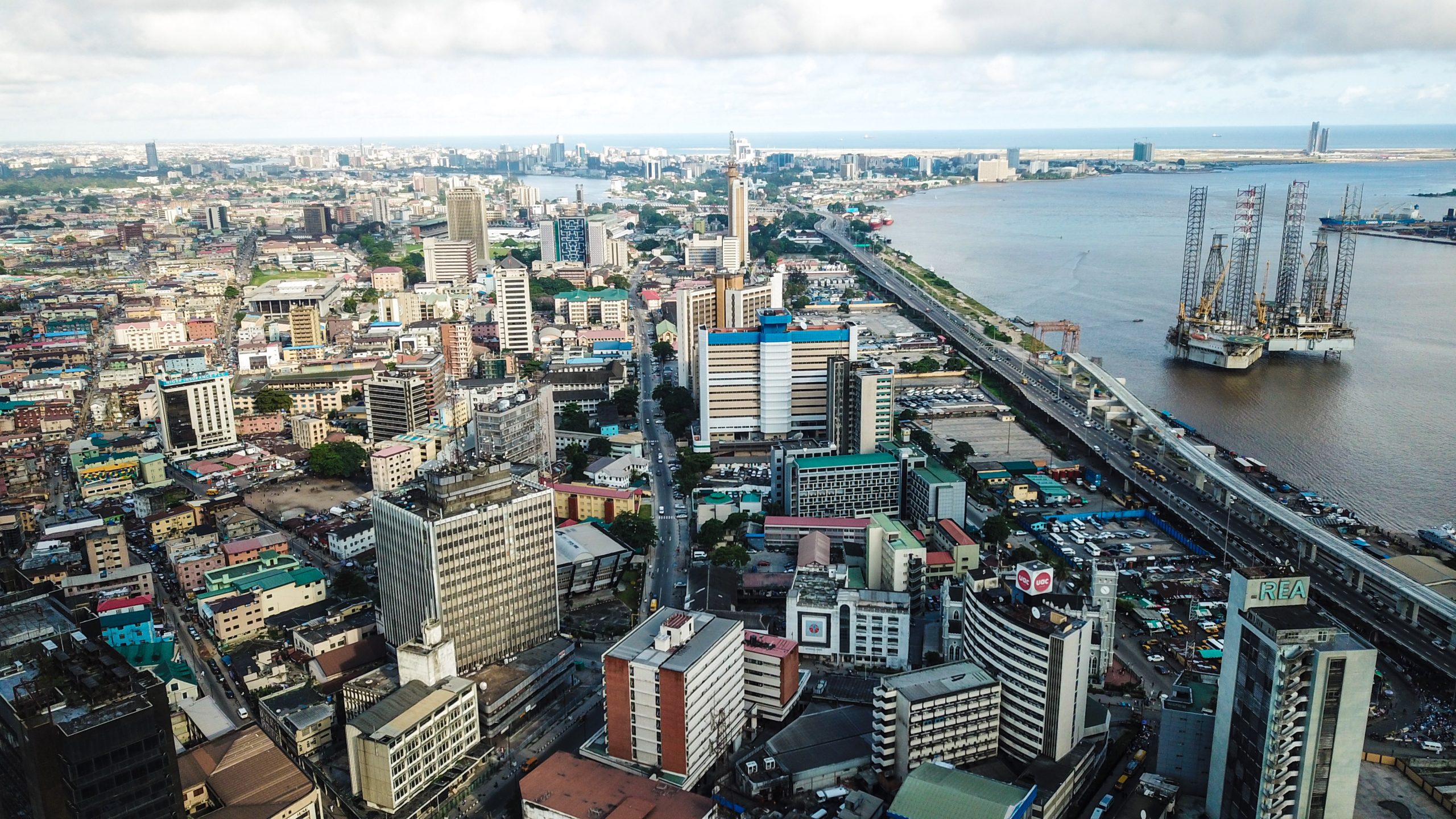

The relationship between American funds and African companies has been complex, influenced by both divestment campaigns and trade policies. This article explores how these factors have impacted African economies, highlighting both the benefits and challenges faced by companies.
Divestment Campaigns: Historical Context
Divestment campaigns have historically been used as a tool to influence social and political change. In the context of Africa, one of the most notable examples is the divestment from companies operating in South Africa during the apartheid era. This movement aimed to pressure governments and corporations to withdraw investments from South Africa, hoping to weaken the apartheid regime.
While these campaigns gained attention, their practical impact on corporate presence was limited. Many American companies continued to operate in South Africa, arguing that their presence could help improve conditions for the local population. However, this historical context sets the stage for understanding how divestment can affect African economies.
Impact of American Funds on African Companies
In recent years, American investment in Africa has been significant, particularly in the startup ecosystem. U.S. investors have been leading players in funding African startups, contributing to the growth of emerging markets. This investment has been beneficial for many companies, providing them with the capital needed to scale and innovate.
However, the reliance on foreign funding also poses risks. Companies heavily dependent on American funds can face challenges if these investments are withdrawn. This was evident during periods of economic instability or when geopolitical tensions rose.
Tariffs and Trade Policies Under Donald Trump
The trade policies implemented during Donald Trump’s presidency had a profound impact on global trade, including with African economies. The imposition of tariffs on various goods affected trade dynamics, creating uncertainty and disrupting supply chains.
For African countries, these tariffs meant increased costs for imported goods, which could lead to higher prices for consumers and reduced competitiveness for exporters. While some African countries benefited from the African Growth and Opportunity Act (AGOA), which provided duty-free access to the U.S. market for certain goods, the broader trade environment remained challenging.
Benefits and Challenges for African Companies
The reduction in American funds and the imposition of tariffs have had mixed effects on African companies:
Benefits:
Diversification: The need to seek alternative funding sources has encouraged African companies to diversify their investor base, reducing dependence on U.S. capital.
Local Innovation: Challenges have spurred innovation, with companies developing more resilient business models and seeking partnerships within Africa.
Challenges:
Financial Constraints: Reduced access to capital can limit growth and expansion plans.
Economic Instability: Trade disruptions can exacerbate economic instability, affecting consumer spending and business confidence.
The Way Forward
To navigate these challenges, African companies and governments must adopt strategic approaches:
Diversify Funding Sources: Encourage investment from other regions, such as Europe and Asia, to reduce reliance on U.S. funds.
Strengthen Regional Trade: Enhance intra-African trade through agreements like the African Continental Free Trade Area (AfCFTA) to reduce dependence on external markets.
Invest in Local Innovation: Foster a culture of innovation and entrepreneurship to drive economic growth from within.
Engage in Diplomacy: Maintain strong diplomatic relations with major trading partners to negotiate favorable trade agreements and protect African interests.
Conclusion
The dynamics of American funds and trade policies have significantly impacted African economies. While challenges exist, they also present opportunities for growth and diversification. By adopting proactive strategies, African companies can build resilience and thrive in a rapidly changing global environment.
Get in touch with us now for a free consultation! M&J—Building timeless businesses.